Categories
Mains Recipes

Beautiful Borlotti

This harvest of borlotti beans, fresh from the pod (shown in my photo above) has been a very welcome arrival recently in the ADK Kitchen. I always think they are one of the most beautiful foods in their natural uncooked form.

They’re not bad cooked, either. The beans do tend to lose that magical, mottled sheen, but more than make up for it in their creamy, smoky taste. They also provide generous amounts of protein and fibre.

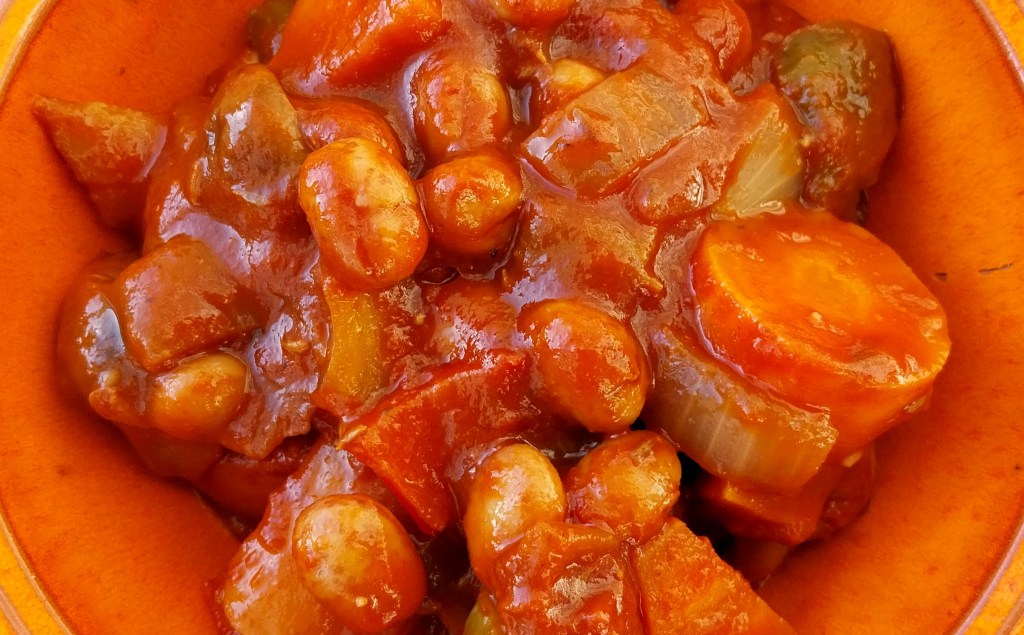
For this dish (shown in my photo below), I have given them a starring role in a chilli suitable for vegetarians, vegans and, indeed, anyone who enjoys a bowl of rich, warm and creamy comfort food this time of year.
Servings

4 adult portions.

Timings

The beans soak overnight, and are then boiled/simmered for at least an hour. Once these stages are complete, the rest will take about 30 mins to cook.

You Will Need:

  • 120g uncooked borlotti beans
  • cold water
  • 1 onion
  • 1 garlic clove
  • 1 tsp chilli powder
  • 1 tsp cumin seeds
  • oil
  • 1/2 a red pepper
  • 1/2 a green pepper
  • 2 celery sticks
  • 1 carrot
  • 6 -7 chestnut mushrooms
  • 1 400g carton of tomato passata

Method

  1. Wash the beans, then place in a bowl with enough cold water to cover them. Leave for 24 – 36 hours.
  2. Drain and rinse the beans under cold running water. You should find that they have doubled their weight through the water they have absorbed. Place the beans in a saucepan with enough fresh water to cover them, and bring to the boil. Reduce and simmer for 50 mins.
  3. Drain the cooked beans and wash again under cold running water. Set aside.
  4. Heat some oil in a wok, and add in the garlic, chilli and cumin. When it sizzles, add in the onion, peppers and celery, chopped into chunks.
  5. About 5 mins later, add in the mushrooms and carrot, also chopped into bitesize chunks.
  6. Stir with a spatula until all the veg is nicely softened, then add in the passata and the cooked borlottis. Top up with about half an empty carton’s worth of fresh water, and turn it up to boil.
  7. Bring to a simmer for about 15 mins, by which time the sauce will have reduced to provide a thick, creamy coating for the beans.
  8. Serve up with a portion of brown rice.

Customise It!

Replace the onion with chopped leeks, and add in some roasted squash if you wish. Shred in some spinach, cavalo nero or chard leaves.

Skip the rice and wrap a few spoonfuls up in a warmed tortilla. Perhaps with some soured cream on the side. This is making me hungry again…

It’s getting to that time of year when I receive messages from Spotify that my Unwrapped Playlist – containing my most played tracks of 2024 – is imminent. Here’s one track that will almost certainly be on it, and which seems to go well with the subject of this post: Leftfield with Pulse.
Categories
Blog

Autumn Escape

Our motorhome has been back in action this week, on an autumn trip to Cranborne Chase, in England’s south-west.

The area is designated as a National Landscape, which is the new official name given to what were formerly called Areas of Outstanding Natural Beauty.

The name may have changed, but the landscape certainly hasn’t – not for hundreds of years in fact. This makes it a perfect environment for long country walks across an expansive, rolling green terrain. Gentle climbs take you up high to reveal dazzling views, while paths weave their way through water meadows with clear trickling, bubbling streams past ancient mills. There aren’t many people around and it is really quite remote. Am I painting a clear enough picture here?

It is particularly special this time of year because, as everyone knows, the countryside generally looks even better with autumn colours.

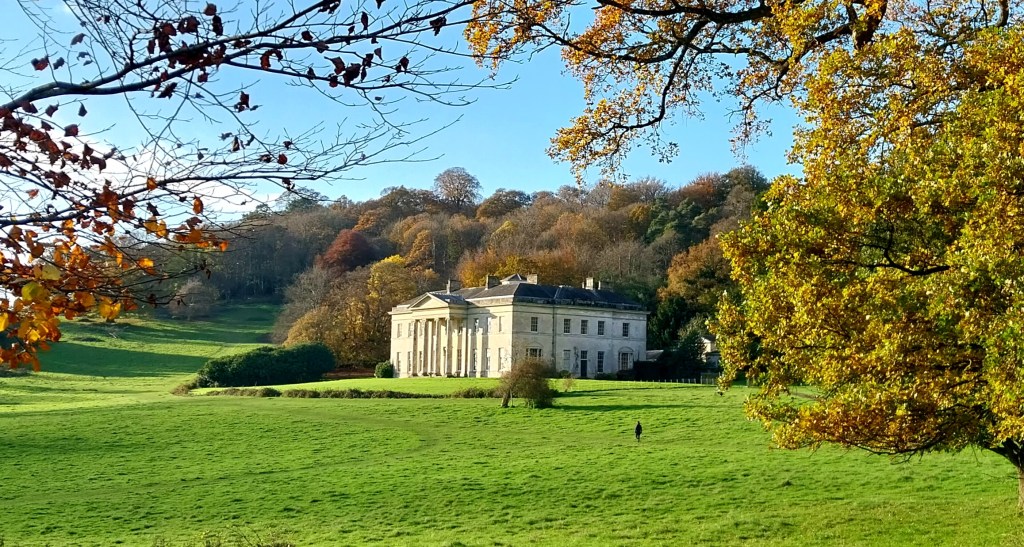
My main photo at the top of the post shows Philipps House, dating from the early 19th Century. It is at the centre of the massive grounds of Dinton Park, which is fully open to public access. We had very clear skies, and from the highest points it was possible to see the spire of Salisbury Cathedral to the east.

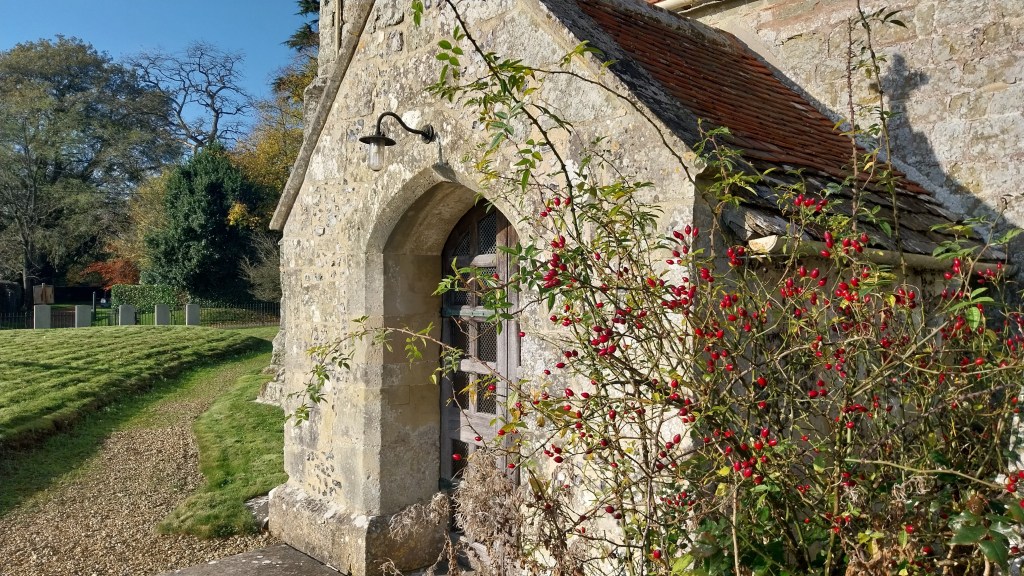
The intricate network of footpaths and bridleways takes in some very old buildings and traditional pubs. This photo shows St. Mary’s Church in Dinton village, dating from the 12th Century.

This photo was taken on a walk through woods and across fields to Baverstock, where St. Editha’s Church is located. It has been here since the 15th Century, and provided a perfect lunchtime picnic spot.

We pitched our motorhome in a small site in the middle of some woods, and spent the week off-grid with no electric hook-up. It is just as well the skies were clear and the sun shone as, along with our gas tank, we were rather reliant on that solar panel on the roof 🙂 .

In such a remote location, with no shops anywhere around within walking distance, we planned in advance and took a week’s worth of food and drink. Home-made butternut chilli soup helped keep us warm in the evening.

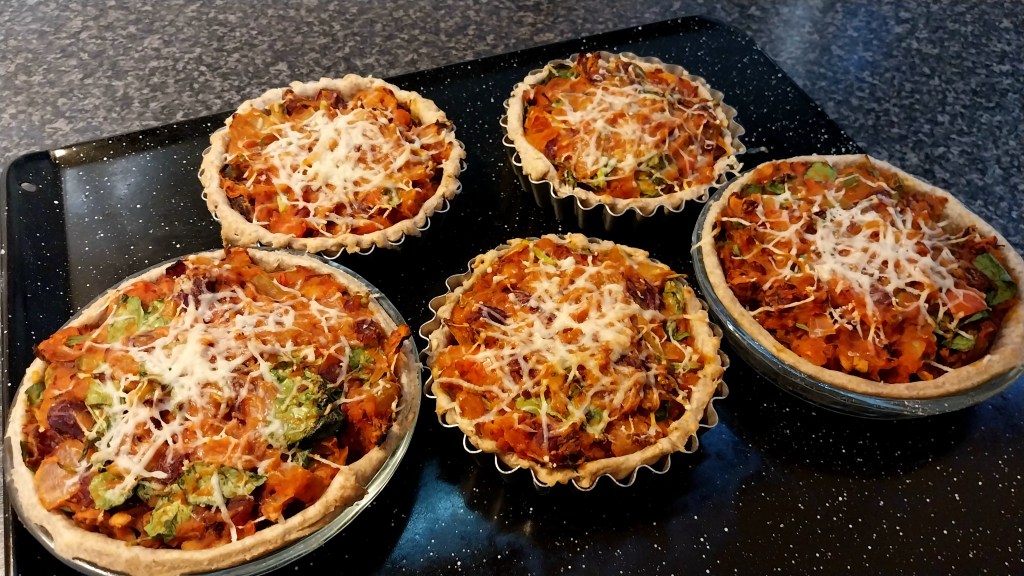
Quiches made the week before and warmed up in the gas oven came in very handy – those 10k treks certainly give one an appetite!

The solar powered battery helped keep my phone charged overnight, which meant I could still listen to the David Bowie Playlist I’d downloaded to my phone from Spotify. No first world problems here, mate 🙂 .

I can’t quite believe that it in just a few months it will be 50 years since the release of Young Americans, which is probably my fave album of his. Here’s a great track from it: Right.

There is one more motorhome trip planned for 2024, so watch this space for developments.

Categories
Blog Mains

Return to Eden

Cornwall’s Eden Project really is a modern day wonder. Not only is it a great day out – it really makes you think.

Walking around this vast green and floral park on a sunny September day, it is difficult to believe that, until just a few years ago, this was an abandoned mining quarry, grey and ugly, ravaged by decades of underground metal extraction.

The transformation began in the 1990s, with an ambitious vision to turn it into a vast green oasis, showcasing plant life from all around the world, over a 30 acre site. I visited it soon after it opened in 2001, and found it very impressive.

On my current travels around Cornwall I was keen to return, to see how it was progressing. I’m pleased to report it is thriving and continues to be a very popular destination for visitors to Cornwall.

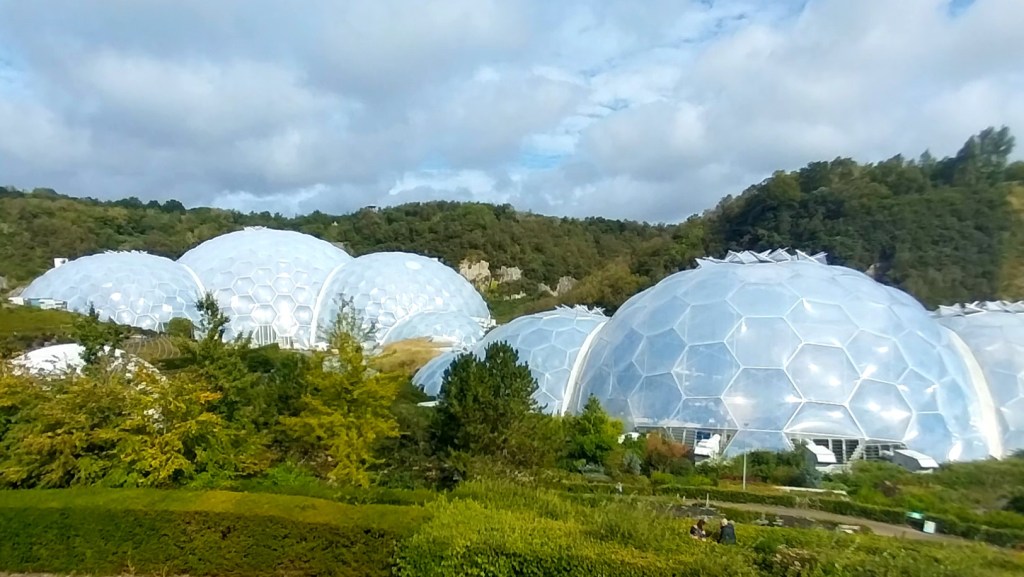
The central attraction is the Biomes – the huge, golf ball-shaped structures nestled in the centre of the valley. The first maintains a warm temperate, Mediterranean climate all year round. The second contains a fully grown rainforest, no less. Both are big enough to lose oneself in, and host mature, fully grown trees.

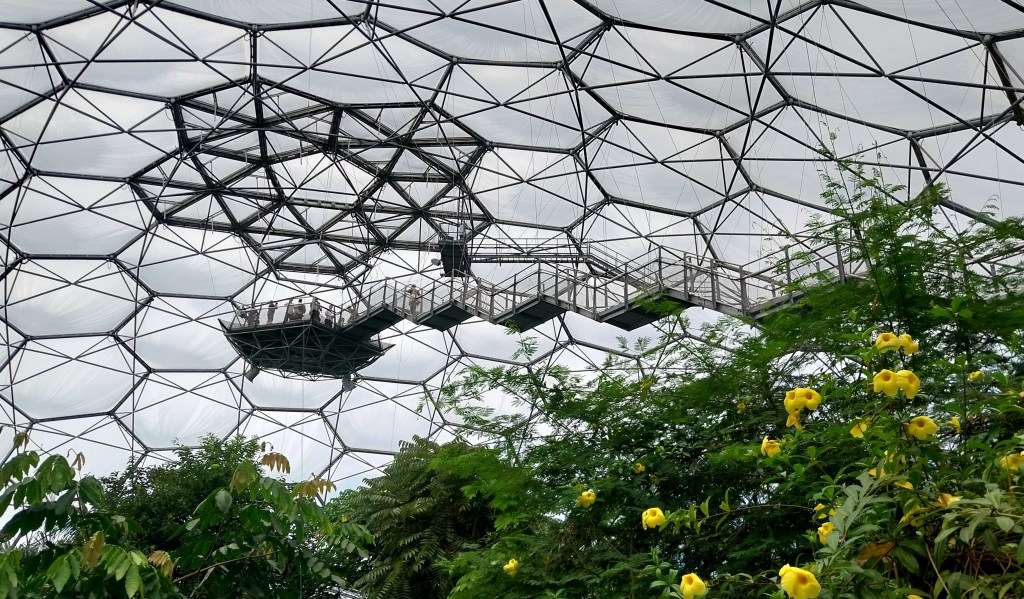
I enjoyed climbing the steps to the Lookout high up in the Rainforest Biome. It was very humid up there, and the steps did swing around a bit, but the views were great looking down over the whole of the rainforest.

These are more than just large scale greenhouses. The Eden Project is on a mission to highlight the modern day challenges to the natural world through climate change and human behaviour. They do a great job of taking complex subjects and explaining them in terms that are easy to understand.

Amongst the cacao and coffee trees in the Rainforest Biome, I learned how deforestation simultaneously reduces carbon safely stored in trees and underground, and increases the carbon in our atmosphere, thereby contributing to global warming. Deforestation is largely driven by economic pressures on producers, and countries like Costa Rica come in for praise for their efforts to combat these through sustainable reforestation. I learned that we can all do our bit to support them by choosing to buy Fair Trade coffee and chocolate, which I will now try to do.

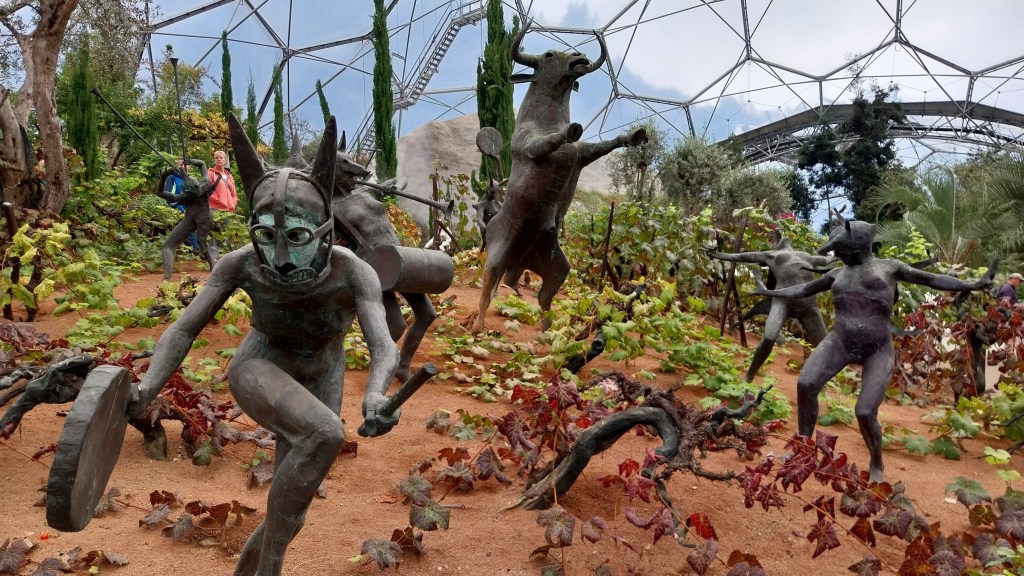
I like the art that is scattered around the landscape, such as the Rites of Dionysus, Greek god of wine, in the Mediterranean Biome.

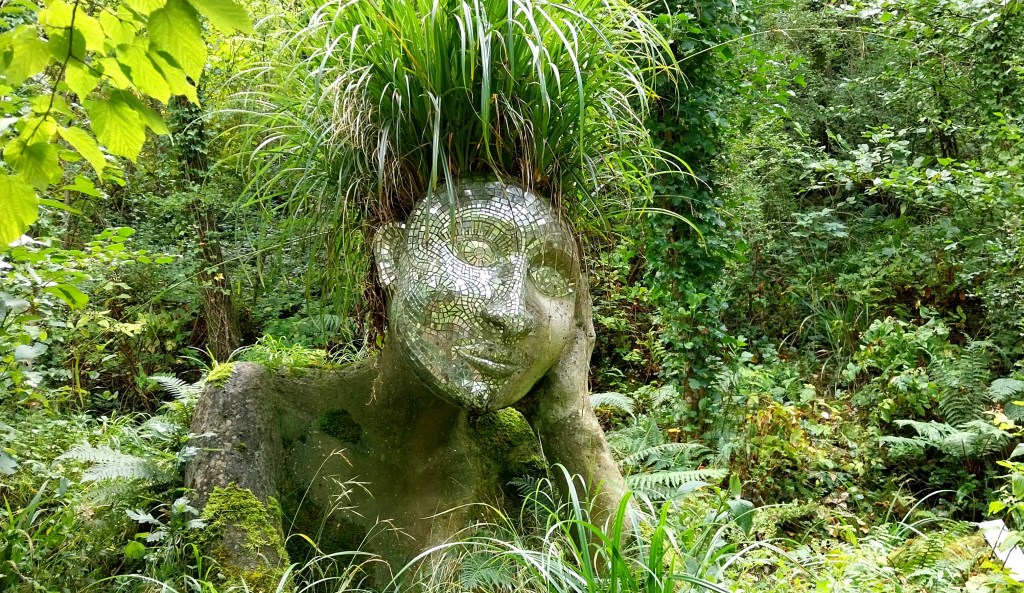
We came across this mirrored tree goddess high up in the outdoor gardens, just inside what used to be the rim of the quarry, now known as the Wild Edge.

The art carries a loose theme that cultural diversity is important, and that resource management is better led by local communities than big corporations.

We had lunch in the Biome Kitchen. All the ingredients used are seasonal and locally grown. Suppliers are all Cornwall-based businesses, like soft drinks from Jolly’s, and ice cream from Roskilly’s. Even the catering promotes a sustainable local economy.

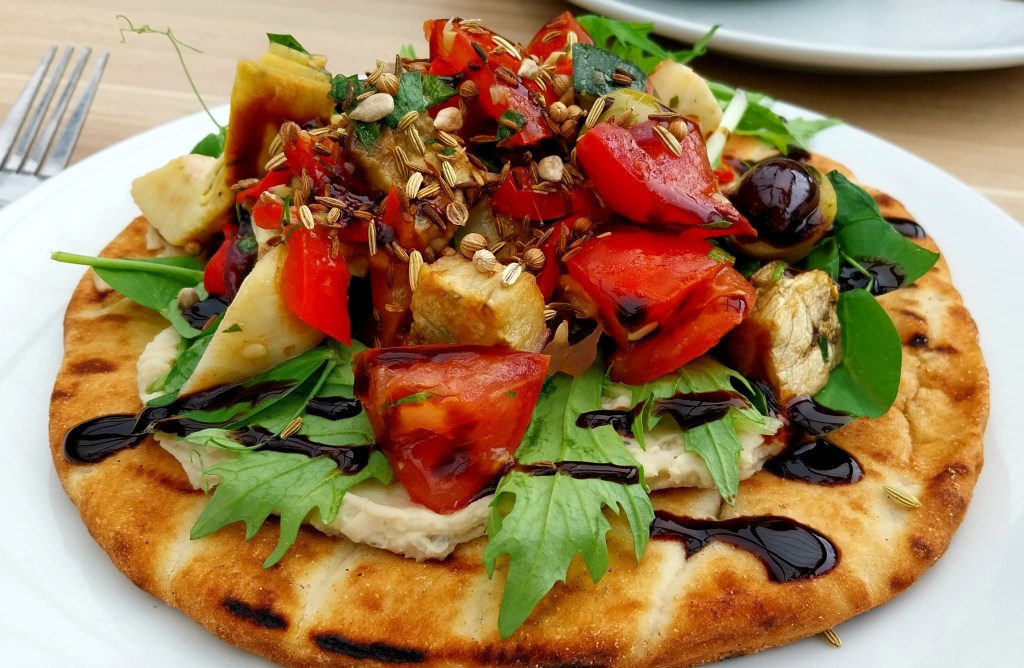
My choice for lunch was this griddled flatbread, topped with white bean pate, leaves, marinated roasted vegetables, tomatoes, balsamic drizzle, herbs and toasted seeds.

The overall message from the Eden Project is one of hope. If a team of people can successfully transform a disused quarry into a beautiful, green paragon of sustainability, then most things are possible. We learn that every one of us can do our bit – small changes made locally can contribute to wider scale positive change. It is never too late.

Time to add Coldplay to the ADK Playlist, with Paradise.
Categories
Blog Snacks

The Lost Gardens

Ssshh, tread quietly so you don’t wake her..

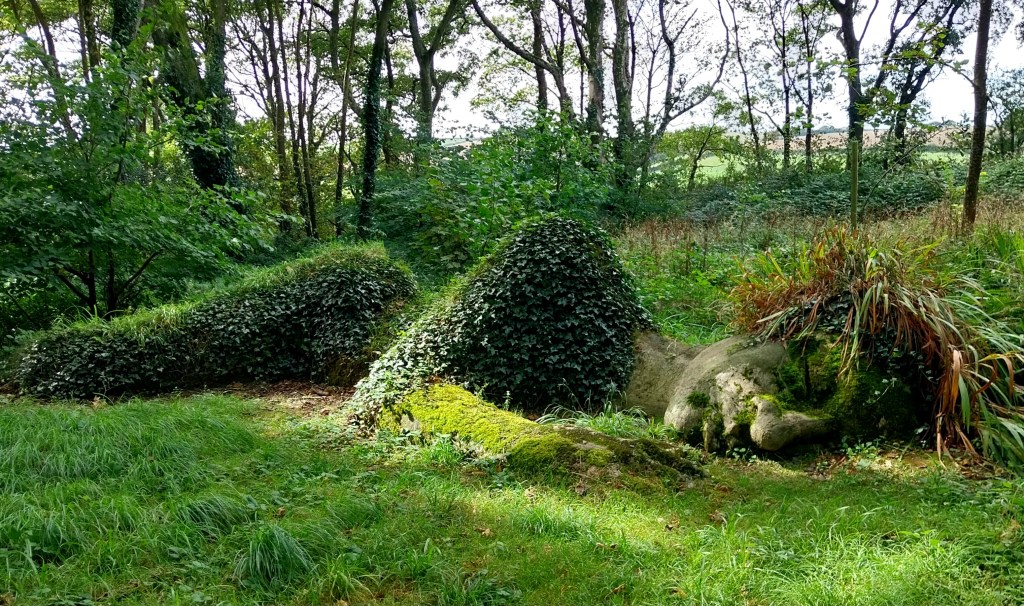
The Lost Gardens of Heligan, the latest stop on our travels around Cornwall, is full of surprises – just look who we stumbled upon having an afternoon nap in the woodland.

This 200 acre family-owned estate was founded in the 16th Century. For many decades, Heligan hosted a thriving and self-sufficient community, living off the produce of the land, including the substantial kitchen garden here.
Then it all changed after World War 1. A number of the gardening team went to fight in the war and, sadly, never returned. The estate fell into neglect, abandoned and overrun.
Until 1990 that was, when the efforts of an enthusiastic band of volunteers helped restore the Gardens to the horticultural wonder they are today. The old walled gardens and greenhouses are a centre for cultivation of heritage vegetables. Traditional livestock breeds are farmed and horticultural skills from a century ago are being practised once again.

Such is the interest in this heritage time capsule that Heligan is now one of modern Cornwall’s top visitor attractions.

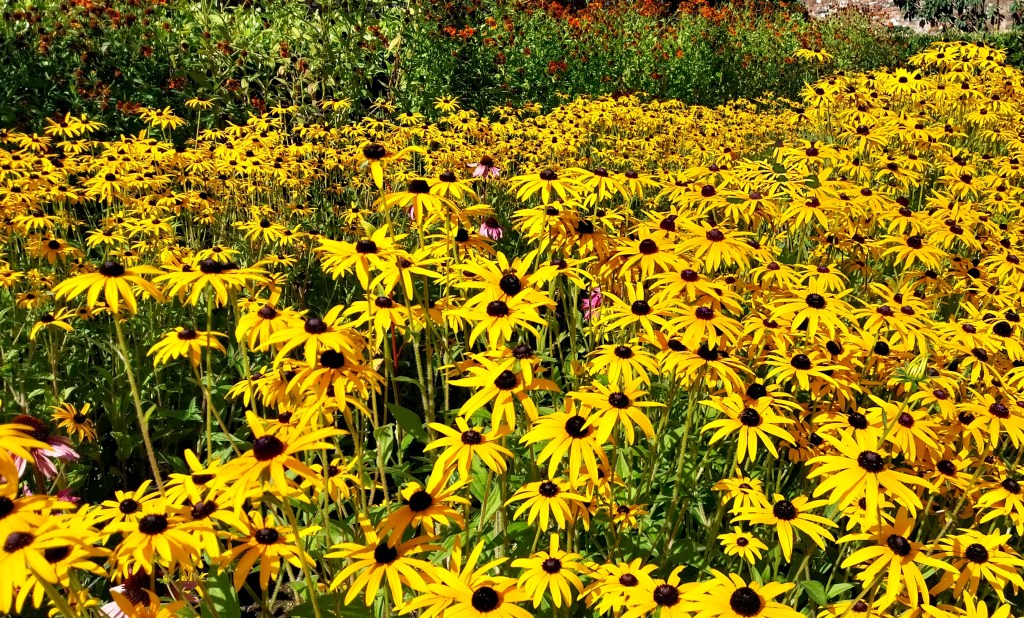
Many come to enjoy the blaze of colour from the flower displays.

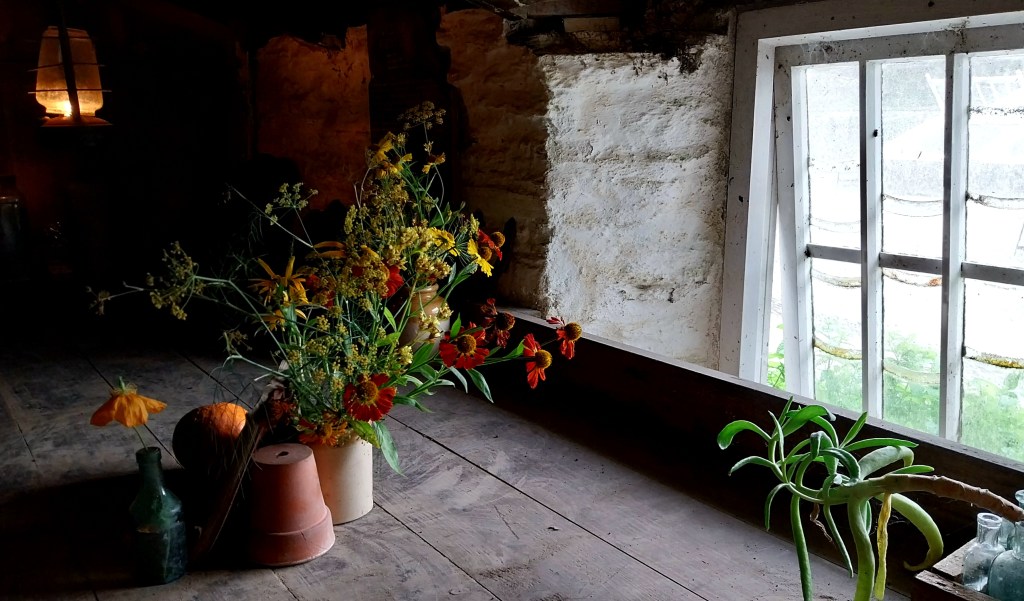
Seasonal produce grown here can be enjoyed through the dishes in Heligan’s cafe. The old buildings are well cared for, and beautifully presented, decorated with freshly cut flowers. I took this photo in the old potting shed.

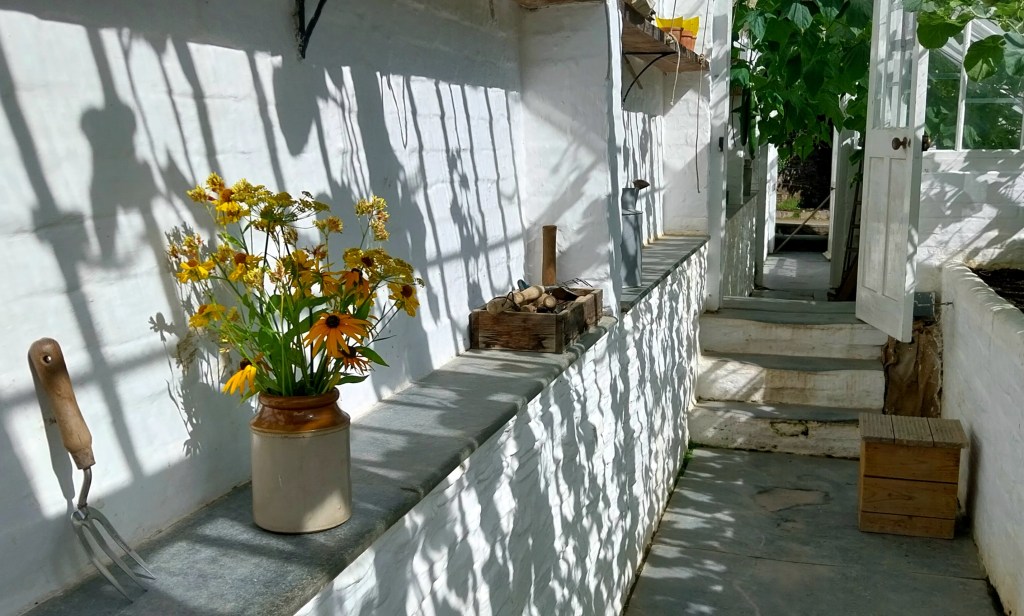
I liked this image of the whitewashed wall inside a greenhouse, with the sun streaming through.

Those wishing to venture deeper into the estate can seek out the Lost Valley, stretching down towards the coast at Mevagissey. What had become a largely overgrown and impenetrable jungle can now be crossed by boardwalk and rope bridge, enabling the Gardens’ many rare and veteran plant species to be enjoyed once more.

There are also one or two newer, enchanting surprises to be found along the way, such as the Mud Maid in my main photo at the top of the post.

Foodwise, another pleasant surprise on my travels has been my latest variety of Cornish Pasty! The name of this one is Veggie Power, which struck me as just a brilliant name for a dish.

The steak in the traditional filling has been replaced with mushroom and butternut squash, alongside the usual potato, onion and swede. The pastry looks and tastes like it has a higher content of wholemeal flour than the traditional version. Take a bow, Rowe’s Bakery in Falmouth for this tasty and innovative twist on the traditional Cornish Pasty.

The next track on the ADK Playlist is one that the sleeping Mud Maid might appreciate. This is The Cure with Lullaby.

Categories
Blog Snacks

Mount’s Bay, Cornwall

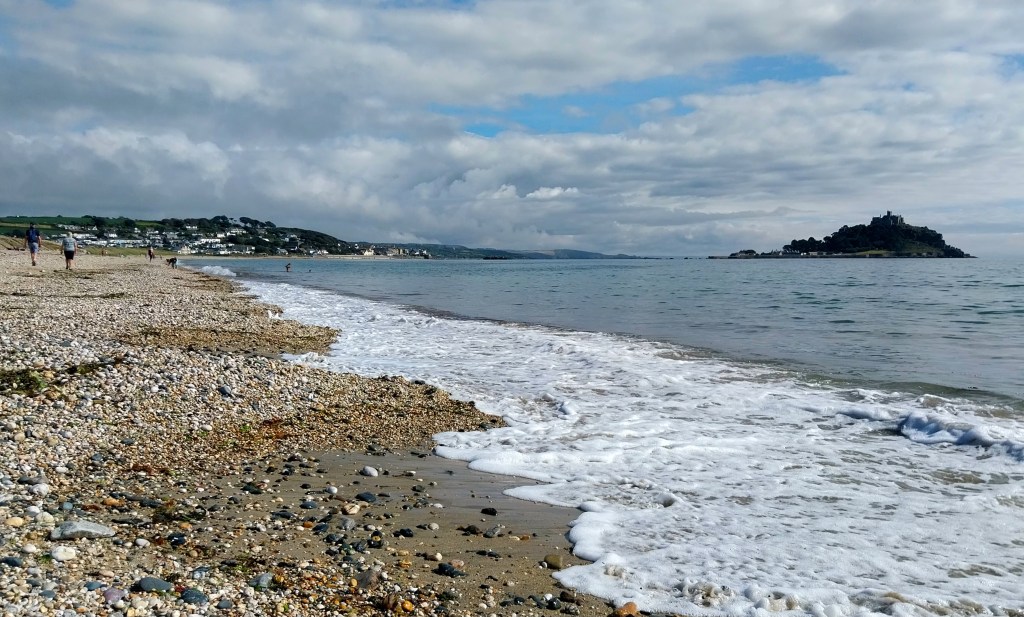
Our motorhome travels around Cornwall, in the south-west corner of Britain, have now brought us to Mount’s Bay.

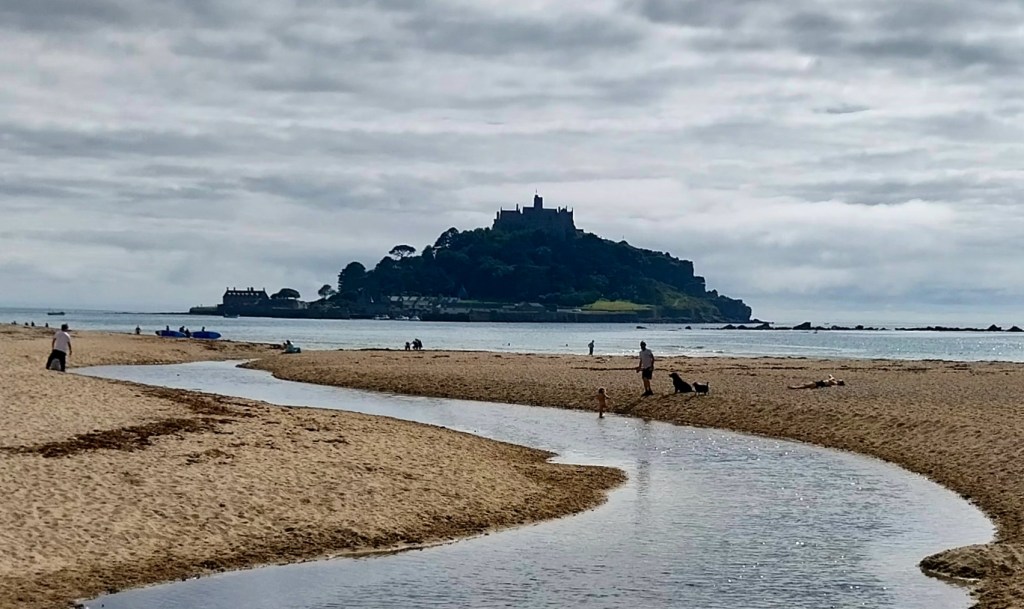
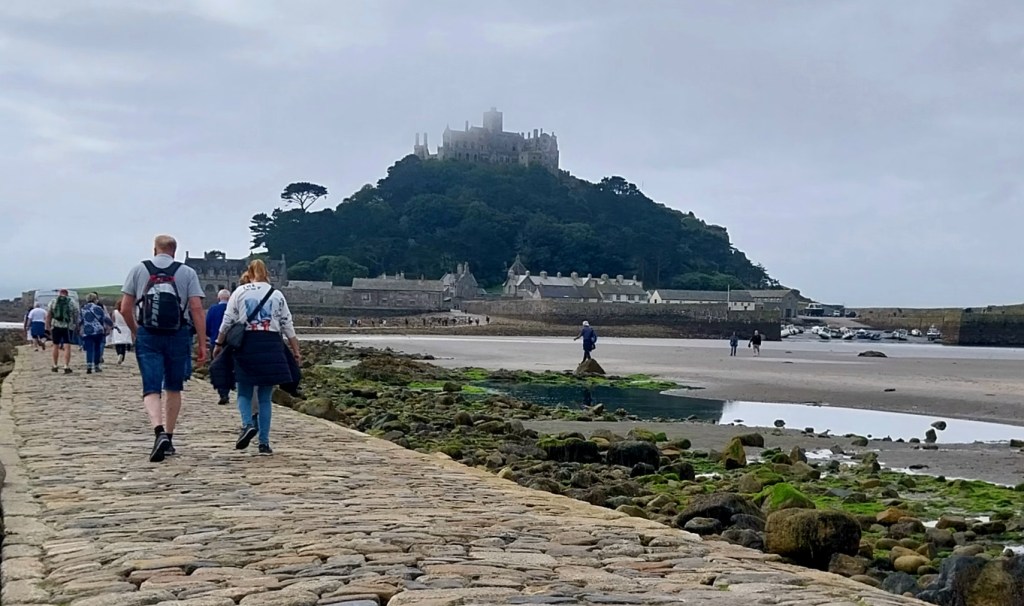
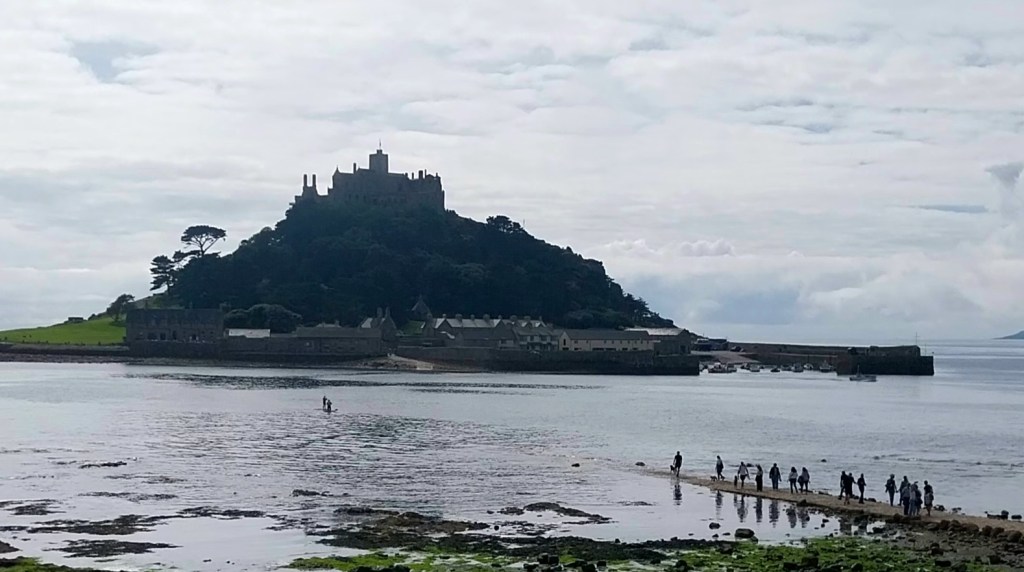
St. Michael’s Mount is visible all around the Bay, from Marazion to Penzance in the west. It is an ancient castle and sacred site high up on an island, accessed via a causeway at low tide, as shown in my photo below. It’s a path well-trodden down the centuries by pilgrims and travellers.

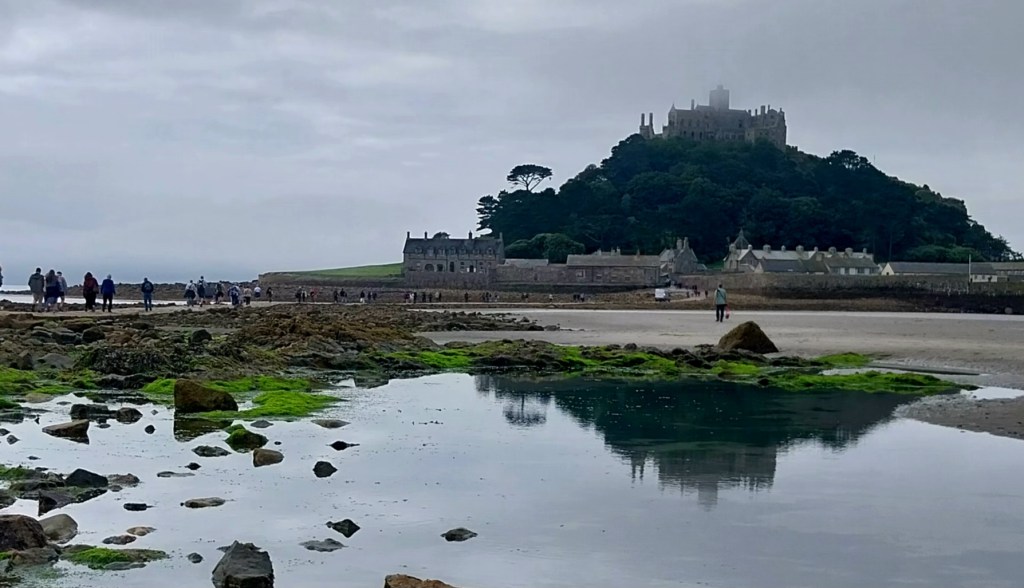
Low tide was early morning when we visited, and the mist around the Castle had yet to fully clear. I clambered across the sand to get a dramatic picture of the Mount reflected in this rockpool.

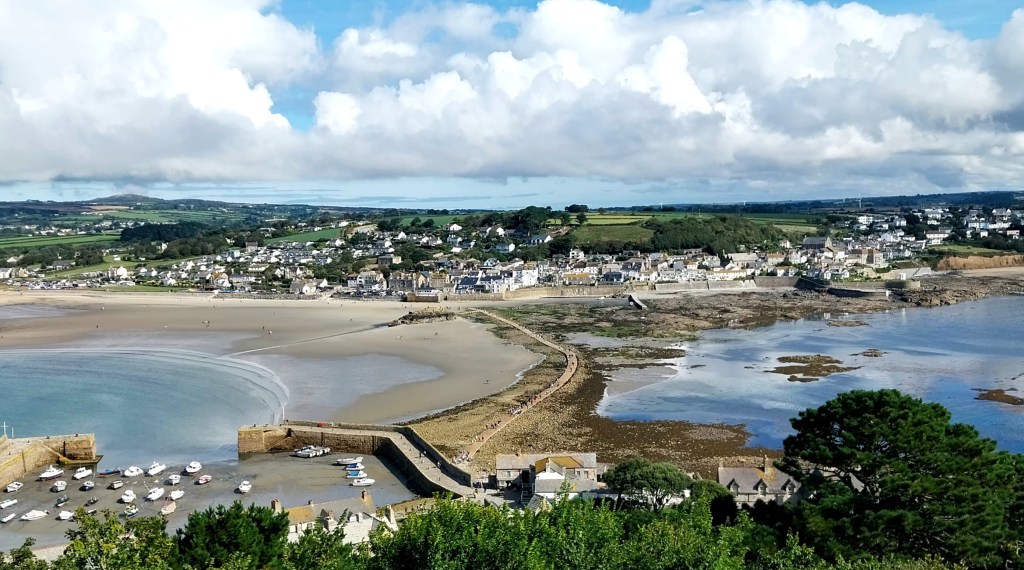
By the time we had crossed and climbed the steep cobbled lanes to the summit, the mist had cleared. There were terrific views back to Marazion, the sun now glinting on the stone causeway snaking its way across the golden sand.

We returned ashore again before the sea flowed back, a few hours later. Anyone leaving the journey too late will receive nature’s reminder that time and tide wait for noone.

The stretch of the South-West Coast Path around the Bay is also a cycle trail. We were treated to more scenic views as we rode it all the way to Penzance.

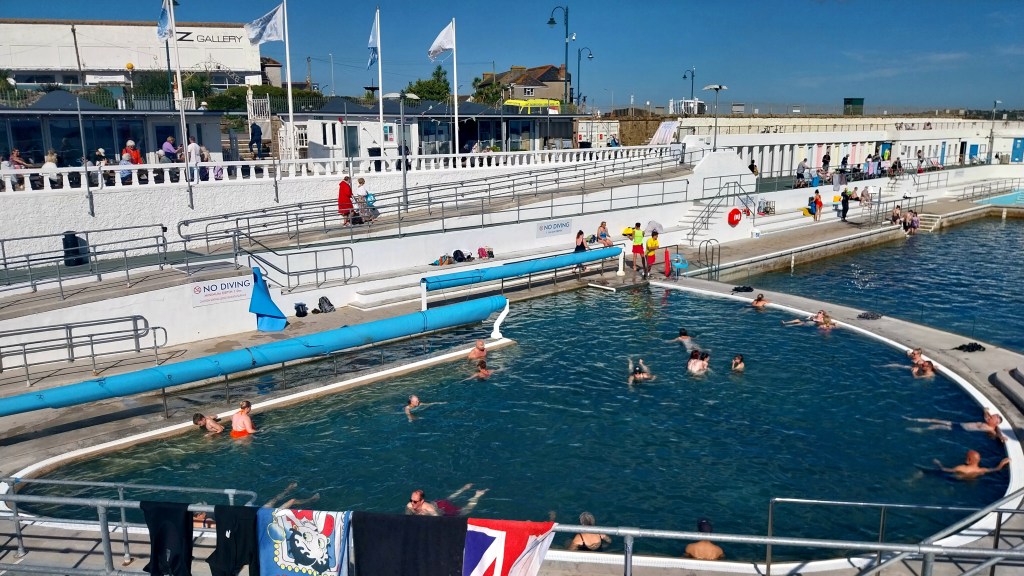
Arriving in Penzance, I enjoyed a swim in the Jubilee Pool, a vast, open air saltwater lido. It dates from the 1930s and has an art deco design.

The main pool is filled directly from the sea, and was a bracing 16C (it’s, er, ok once you’re in and moving around!) I then warmed up in the Jubilee’s star attraction, a large geothermal pool heated naturally by an underground spring to a much more amenable 30C.

After all that walking, climbing, cycling and swimming, I reckon I had earned another Cornish Pasty.

These ones had a traditional filling of chopped steak, potato, onion, swede and black pepper, in a buttery, flaky pastry crimped together at the edge. They really are the most popular street food here, with thousands baked fresh every day by little independent bakeries. Warmed up that evening in the motorhome oven, it was delicious and filling.

Time for the next track on the ADK Playlist. Those misty, early morning images of the Mount kept reminding me of the lyrics in this track by Led Zeppelin ….pack your bags for the misty mountains, where the spirits fly….: This is Misty Mountain Hop.

Categories
Bakes Recipes

It’s Blackberry Time!

Late August is the time when lots of free, fresh fruit starts ripening up on our local hedgerows – the joys of blackberry picking are here!

For me, this usually involves stowing a large sealed plastic box in the pannier of my bike, and heading off into our nearby country park. It is relatively easy there to find a quiet spot where the berries are glinting high up in the late summer sun, turning all those solar rays into vitamin C.

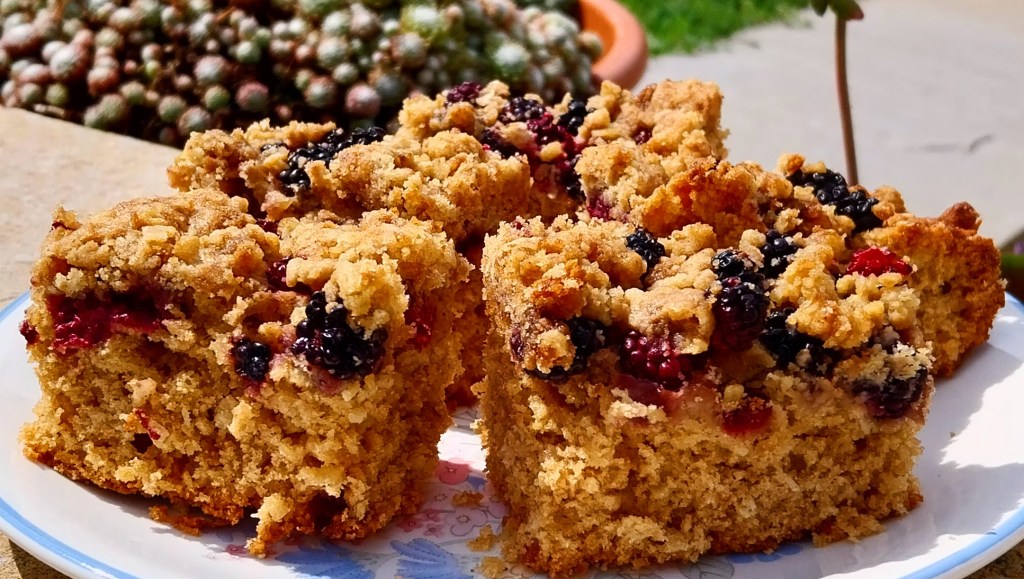
This week I brought home just over 300g from a half hour session. I like to bake with them when they’re still fresh, so aim to complete the transition from hedgerow to cake in under 3 – 4 hours. Solar powered baking, if you like.

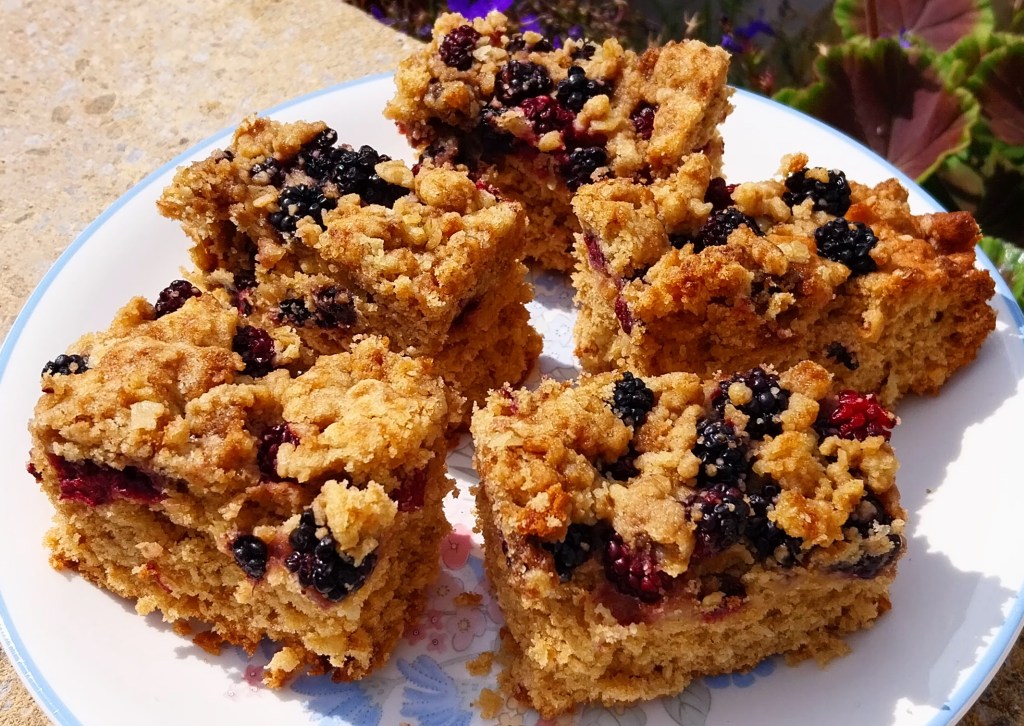
I decided to make the Blackberry and Coconut Crumble Squares that I’ve featured previously on A Different Kitchen. You can see this week’s batch in my photo at the top of the post, and again below.

It’s a favourite in our household, and there is really only a short window of a few weeks every year in which this traybake can be made fresh – so why not? Just follow the above link to find the recipe.

I kept a few berries back as I like to have them topped over oats, nuts and seeds as a breakfast dish, with some milk and honey. Grating or chopping in some apple, fresh from our trees in the garden, is the perfect complement.

There may well be more blackberry recipes over the next few weeks, so stay tuned.

Choice of music today can really only be from one band – the long-awaited Oasis reunion tour has finally been announced. Along with probably the other 65 million people who live in the UK, I shall be on the Ticketmaster site this weekend trying to get a ticket before they all sell out – wish me luck!

Then it’s a case of waiting until next summer to see the concerts. That’s presuming Noel and Liam haven’t fallen out again by then, of course…

Here they are at their Beatles-influenced best, with Whatever.

Categories
Blog Snacks

Picnic at Hanging Rock

On my travels around Australia, I have been reading the famous story Picnic at Hanging Rock, by Melbourne’s Joan Lindsay. When I learned that Hanging Rock is, in fact, a real place about an hour’s drive north of Melbourne, I jumped at the chance to visit.

What’s more, being a dedicated foodblogger, I made sure our party of 4 took a picnic 😋. More about that, and the unexpected guest who turned up to it, in a moment.

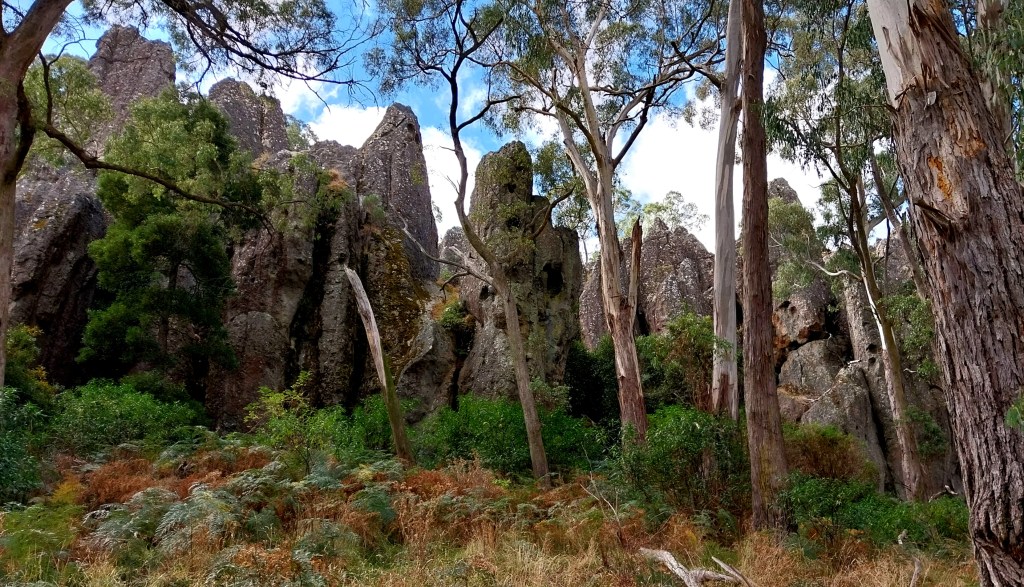
The result of major volcanic activity thousands of years ago, Hanging Rock is bigger than I had anticipated. On arrival, one is greeted by vertical rock faces shooting up through the ferns and eucalypts.

The steep path winding to the summit traverses crevices and tunnels through a haphazard jumble of rocks and massive boulders, resting just wherever the volcanic eruption threw them as lava, all that time ago.

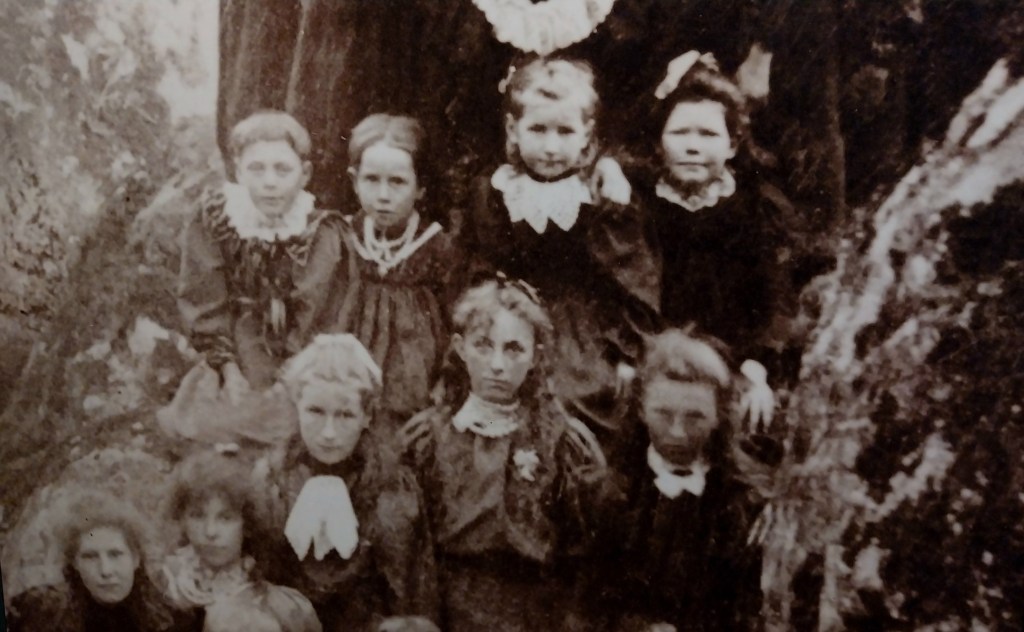
It is very easy to get lost, which is why it makes such a fitting setting for the famous story (which has also inspired a film and TV drama series of the same name). In summary (and without any plot spoilers), Picnic at Hanging Rock tells of a group of schoolgirls from a local college, who picnicked here on St. Valentine’s Day in the year 1900. Some of the girls then set off on a walk to the summit, and mysteriously go missing, never to be seen again.

While published as fiction, the author was very coy about whether it may actually be based on true events. Consequently, a whole legend has grown up around the place.

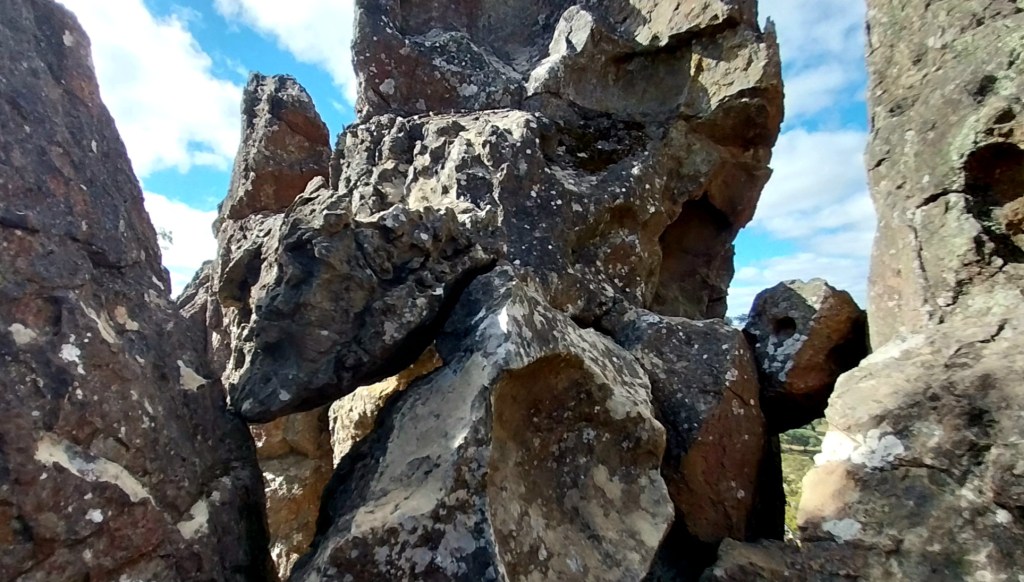
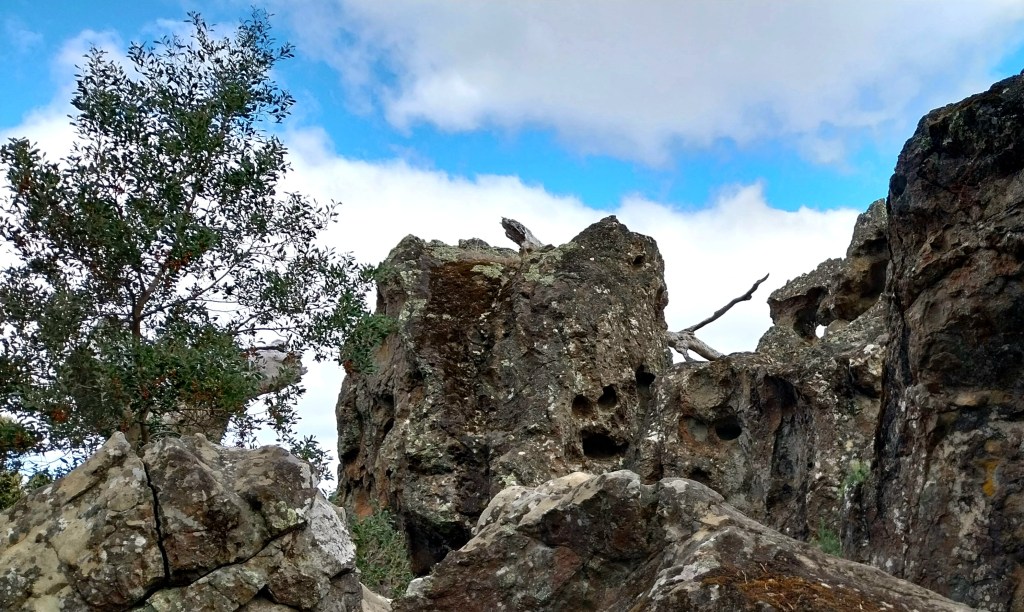
Some visitors have reported feeling the presence of the missing girls as they climb the Rock. Certainly, with a little imagination, the angles, pock marks and shadows in the rocks can give the impression of faces, with eyes and mouths, watching as you clamber over the stones.

I’m including a few photos, and will let you make up your own mind about that.

The eerie display in the Visitor Centre does its best to ramp up the feeling of unease.

And so to the picnic. We chose mainly local food from the surrounding Macedon Ranges area. I bought this savoury cheese and spinach muffin at the Trading Post in Mt. Macedon. It had the texture of a scone, with roast pumpkin (it’s coming into autumn here) and feta.

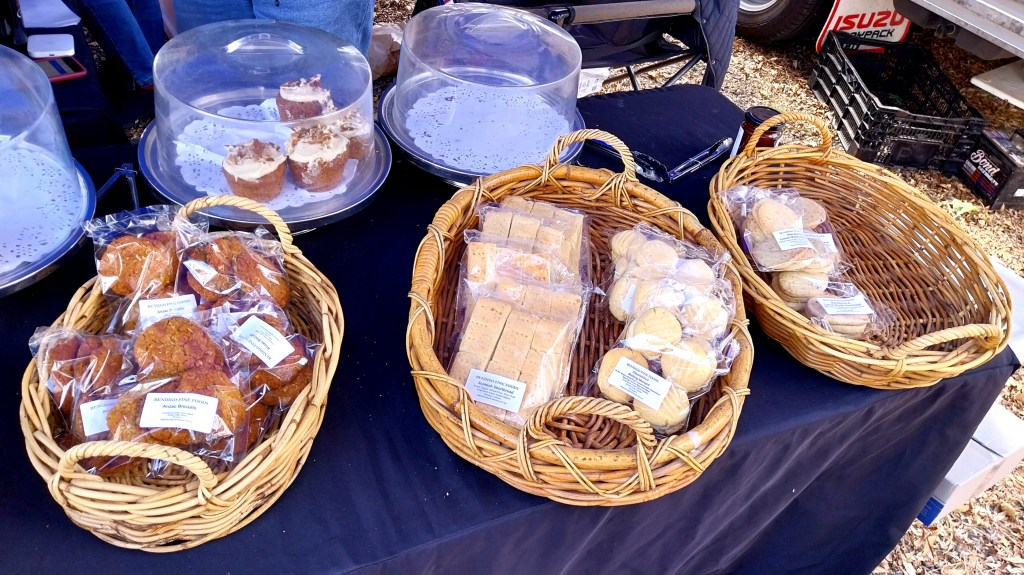
We stopped off along the way at the Farmer’s Market in Kyneton, and picked up some treats made in a Bendigo bakery: Anzac biscuits (an Aussie staple with coconut and chewy oats), and shortbread made with lemon myrtle (a bush plant) and chopped macadamia nuts.

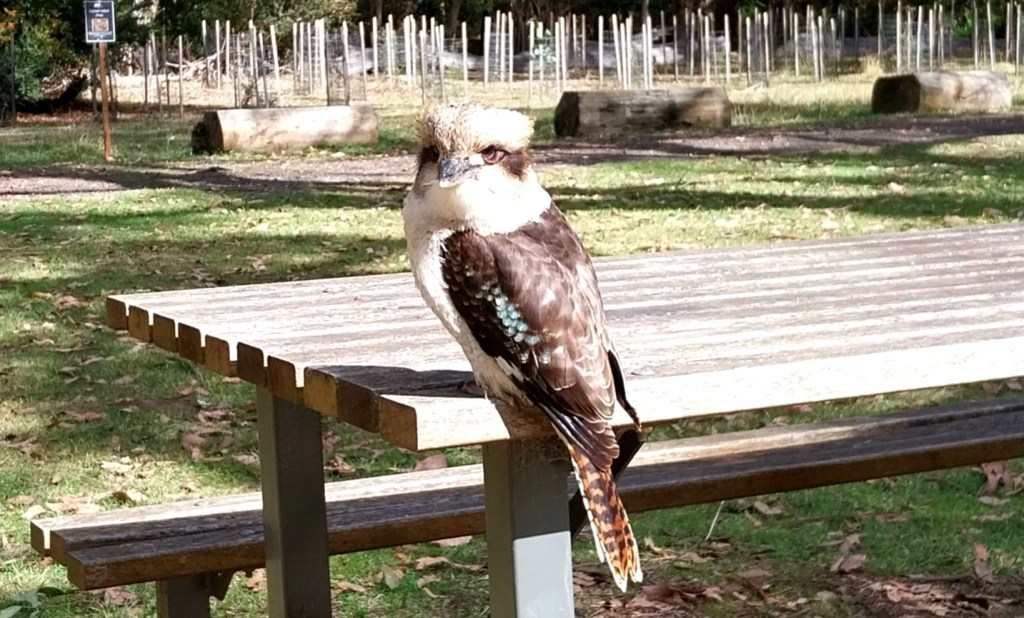
We also had local olives and cheese from the King Island Dairy. The picnic reached a hurried end, however, when this intrepid kookaburra began showing too much interest in our spread for my liking.

I reckon he was after the hot cross buns 😉

The view from the summit over north Victoria is reward for the climb.

Hanging Rock is both beautiful and mysterious. With the lingering scent of eucalyptus on the gentle breeze, it needs to be experienced with all the senses.

Musical choice this time is a suitably haunting duo by Aussie pop royalty Nick Cave and Kylie Minogue: Where the Wild Roses Grow.

Categories
Blog Snacks

Autumn at Stourhead

Time for a relaxing break from your busy day? Grab yourself a chamomile tea and settle down for a mindful 5 minutes, taking in this latest post.

Stourhead in Wiltshire is no ordinary landscape garden. We greatly enjoyed a visit there recently, while motorhoming in the west of England.

First opened in the 1740s, it was originally the brainchild of landowner Henry Hoare, who travelled widely and developed a taste for classical architecture. He commissioned the finest artists and designers of the day to create a series of temples, follies and curios that are scattered around the edges of a vast lake.

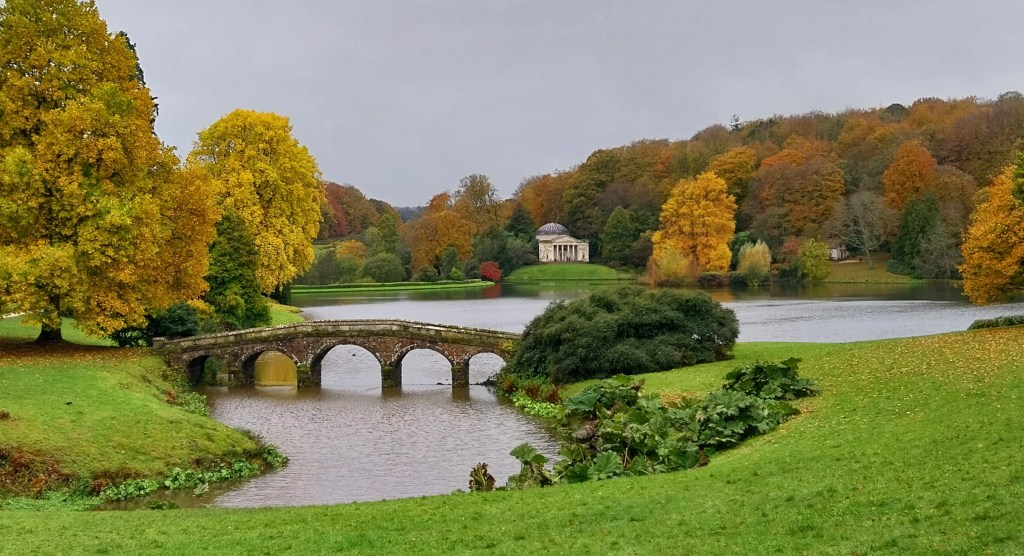
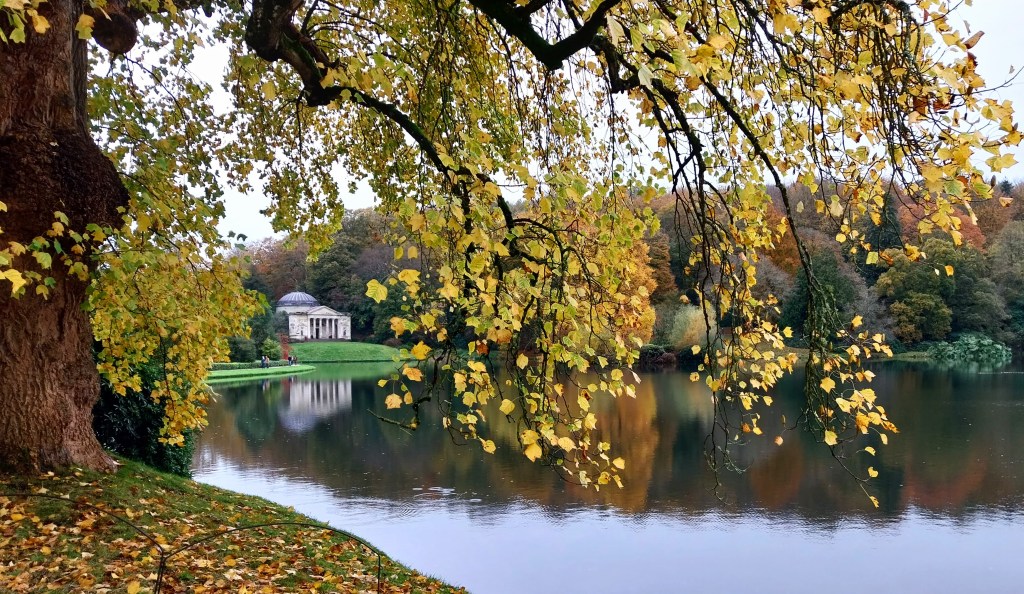
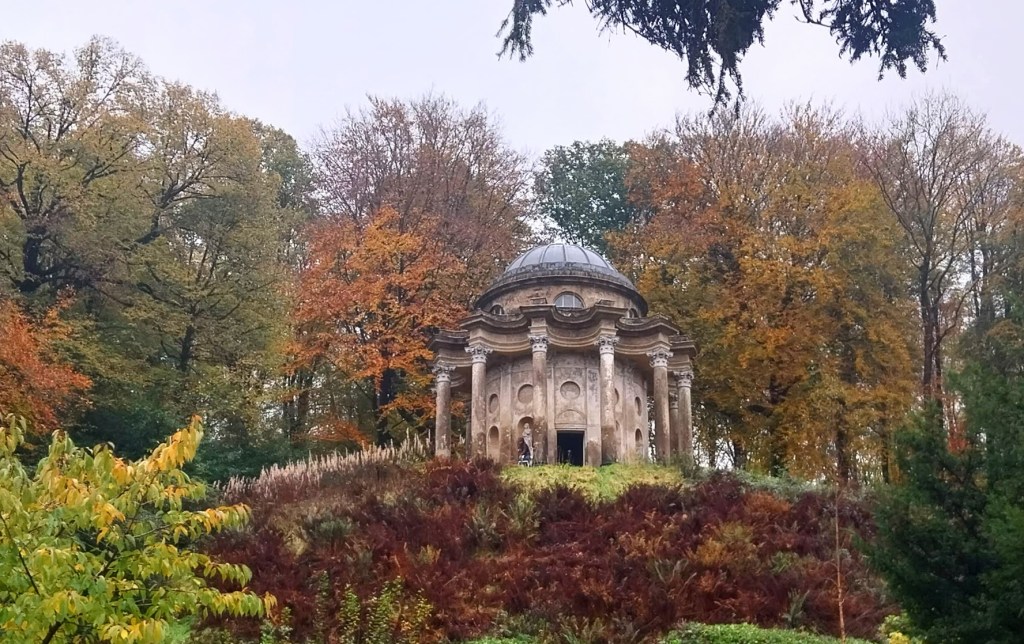
My main photo above shows the Palladian Bridge, with the Pantheon (modelled on the original in Rome) in the distance. My photo below shows the Temple of Apollo.

Stourhead has been impressing visitors for nearly 300 years, and the massive estate is managed nowadays by the National Trust. There is an accessible walk that goes right around the lake, and visitors can enter the idiosyncratic buildings along the way to discover the art and statues they hold. Here is the Temple of Flora looking particularly fine in the afternoon sun.

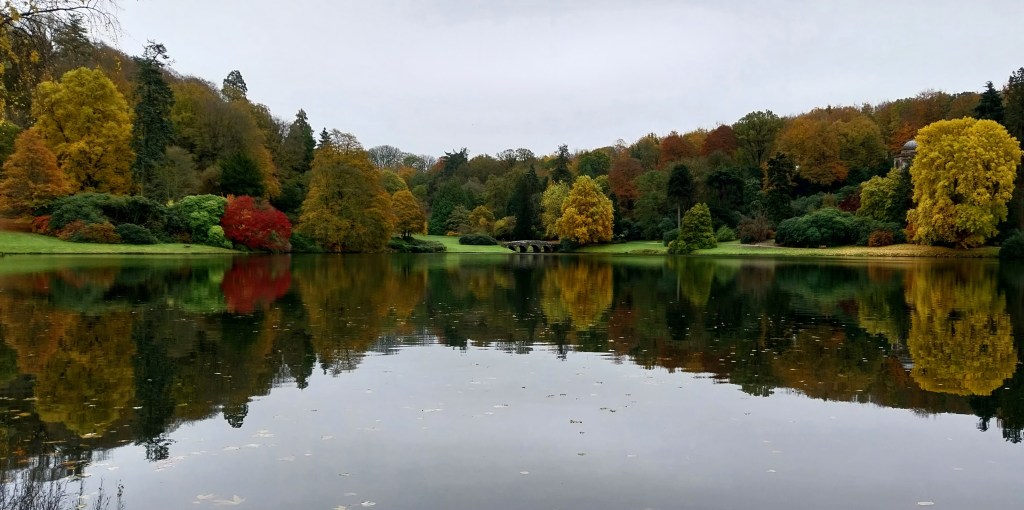
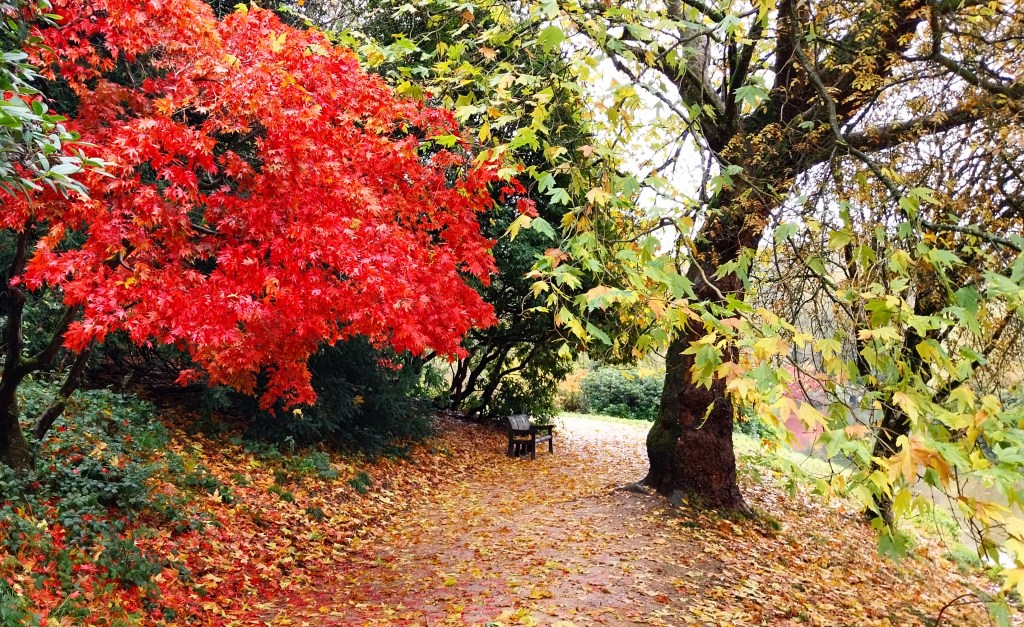
The mature trees and plants change colours with the seasons, meaning there are always new elements to experience and explore, whatever time of year you come. Autumn is special here, when the buildings nestle alongside shades of red, amber and gold.

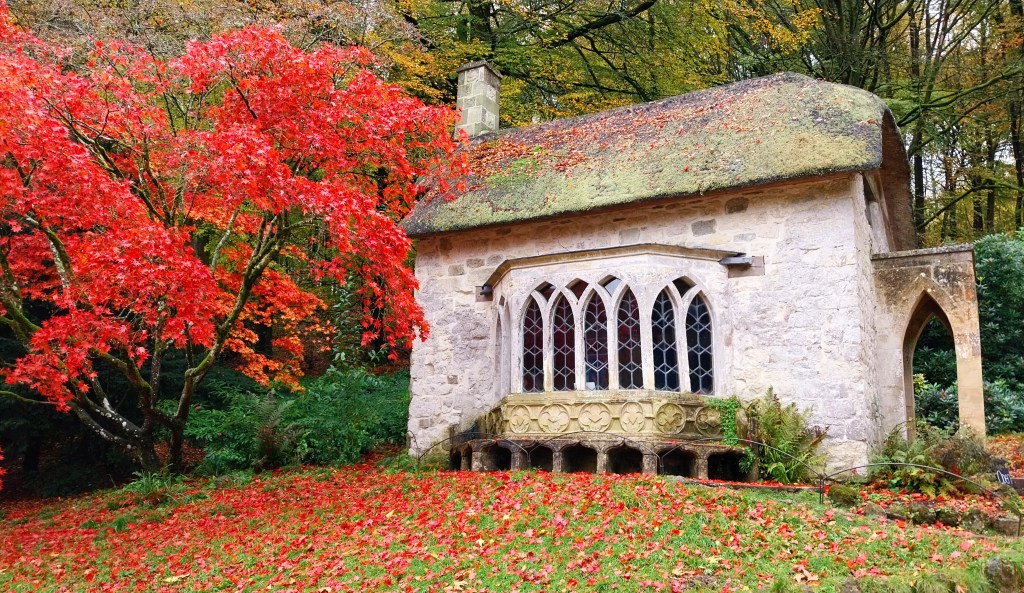
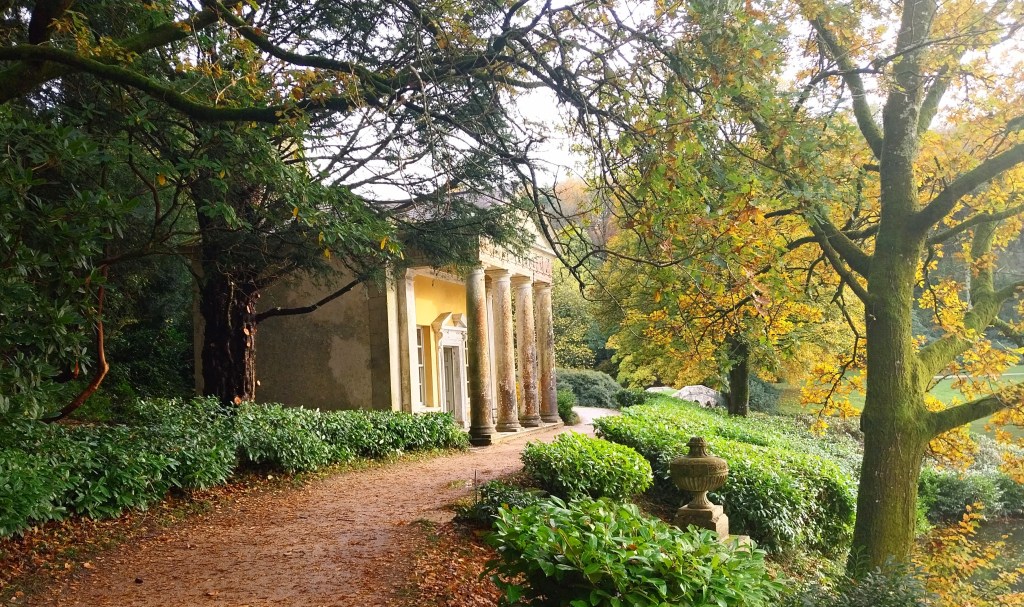
The Gothic Cottage looked splendid with this blazing carpet of autumn leaf fall.

In my next shot, the Pantheon is seen from across the lake. Considerable thought has gone into the planning of the site, to create beautiful, ever-changing views from different perspectives.

This photo below shows the view across the lake from the window of the Grotto – a little cave built into the lake’s shore. The stillness of the lake made for superb reflections.

The sensory overload even continues into lunchtime…

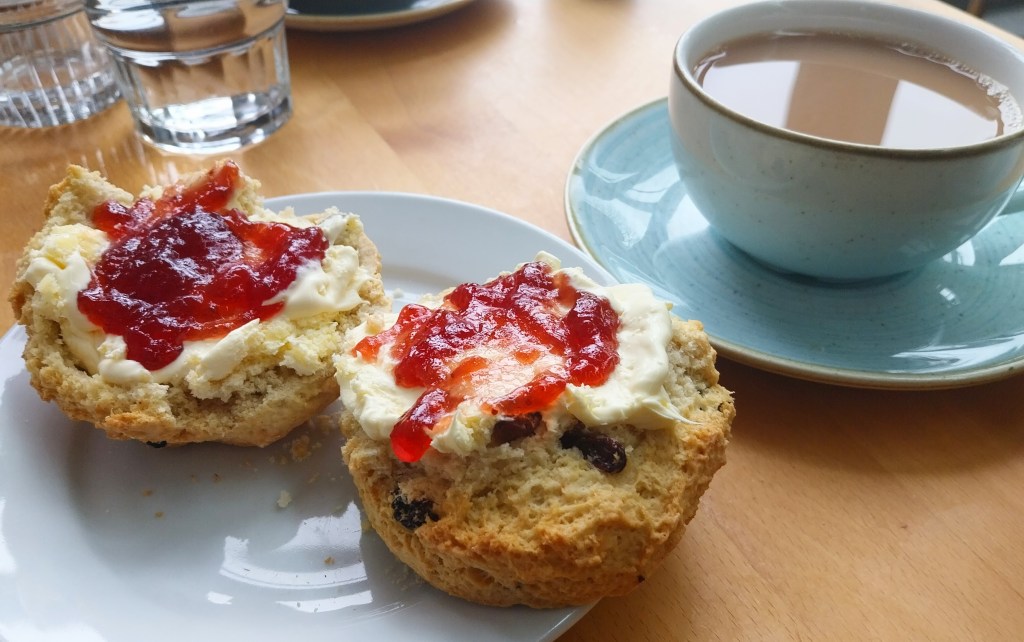
A real highlight of visiting a National Trust property is a visit to the tea room. I opted for a cream tea, pictured below – a freshly baked fruit scone spread with clotted cream from Cornwall and strawberry jam, served of course with a pot of tea. It is a classic combo that is very difficult to beat, and was delicious.

Incidentally, I was reading about a lady who has visited all the National Trust properties in the UK that have a tea room – there are 244 of them – and eaten a scone at each. She has written a blog about them, rating each scone, and produced an overall Top 5. Her top prize went to the one tasted at the Treasurer’s House in York.

244 is a lot of scones, by anyone’s standards. I can only assume she accompanied this pursuit with 244 brisk walks around the grounds of said properties, to burn off all those calories.

My visit to Stourhead really was a feast for all the senses – an 18th Century theme park devoted to mindfulness, if you like. I can’t wait to go back again in Spring, when the trees are in blossom and there will be a totally new colour palate to enjoy.

And another cream tea.

Musically, places like this always make me think of Kate Bush for some reason – probably something to do with classical, romantic England at its finest. So here’s a track by her that is suitably mellow and contemplative: Mrs. Bartolozzi.

Categories
Blog Snacks

Higher Ground

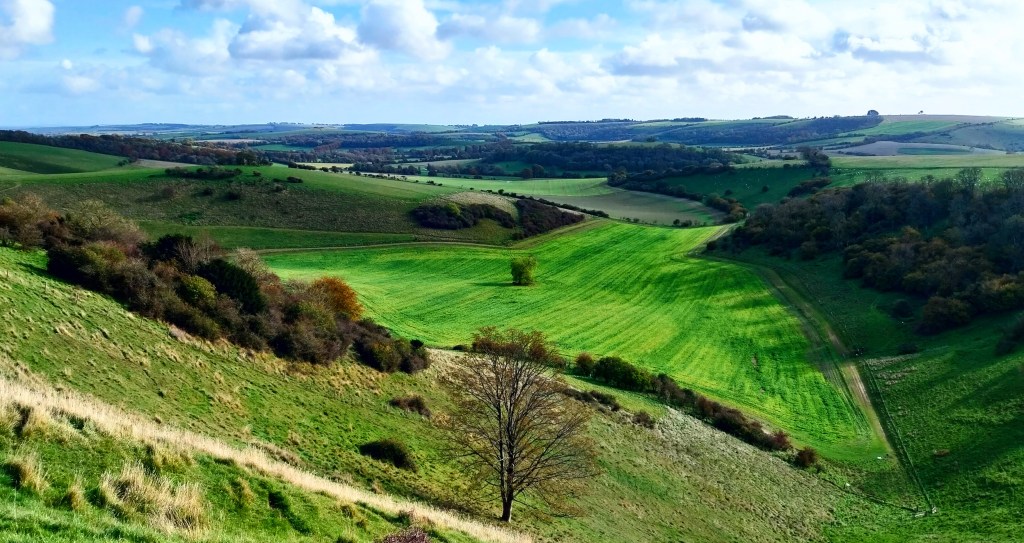
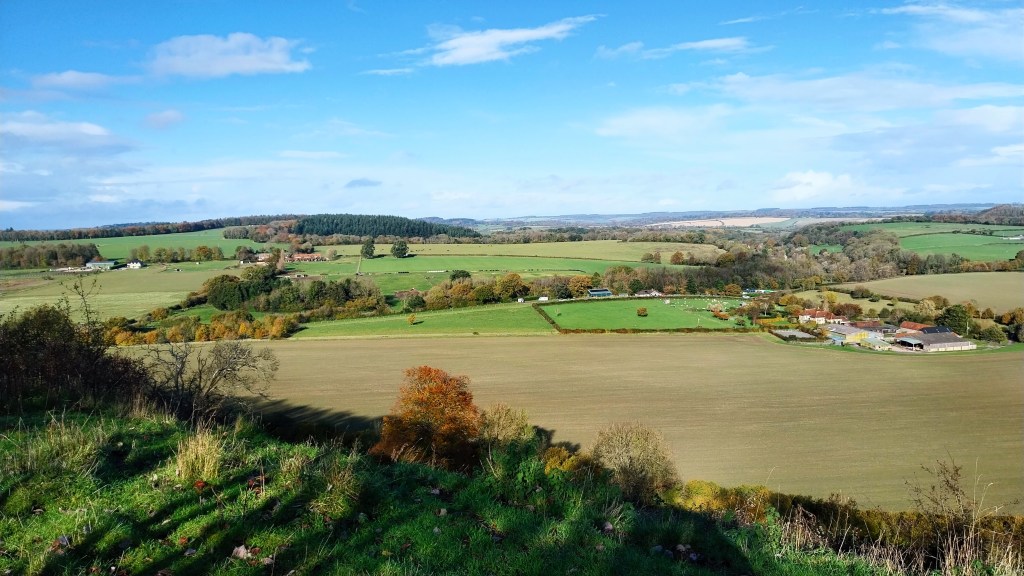
This week we have been away again in the motorhome, enjoying walks and views like this one in my photo above, at Cranborne Chase.

On the edge of England’s west country, it is officially designated an AONB – Area of Outstanding Natural Beauty – and it isn’t difficult to see why. Rolling countryside provides a backdrop for long autumn walks and close-up interaction with wildlife.

You may think my photo below shows a random wide ranging picture of the English countryside. Well, that’s true – but if you zoom in on the white speck, slap bang in the middle of the shot, you will have located our motorhome. We were on a small campsite that is part of a sheep farm.

I took this shot after hiking high up on the ridge that hosts a long distance footpath from Shaftesbury to Salisbury. It demonstrates how remote we were: just us, our caravanning next door neighbour, and a flock of sheep to the east.

Incidentally, I did try counting the number of sheep, but fell asleep before I could finish 🙂

Cranborne Chase is also an International Dark Sky Reserve, which means that, when night falls, it is bloomin’ dark. There is, literally, no artificial light from anywhere around on this vast landscape, and so the star gazing is first class. There was also the twit-twoo of the local owl to keep us company.

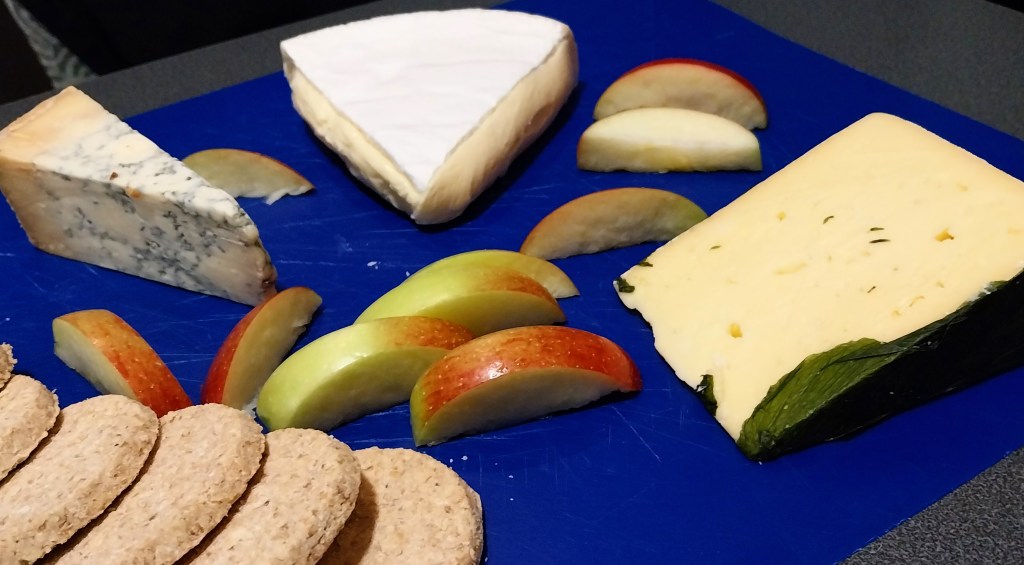
Way out here, the only local shop is a farm shop, doing a great line in west country cheese. Regular followers will know that I require little persuasion to put together a regional cheese board, such as this one below. The best of England’s west country is represented here with (from left to right) Dorset Blue Vinny, Somerset Brie and Garlic Yarg, from Cornwall.

A few years ago I visited the farm in Cornwall where they make Yarg. The garlic variety is hard to come by outside of the west country. They wrap the cheese in leaves from local wild garlic plants, and these infuse it with the flavour and scent of garlic as it ripens.

The oatcakes are from Bath and the apples local.

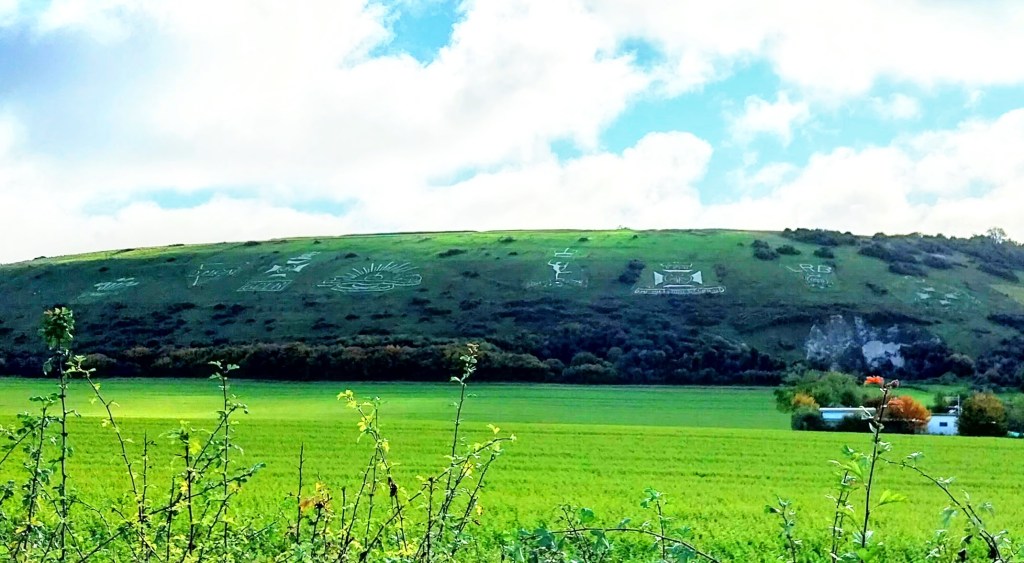
An interesting feature in the landscape is the Fovant Badges. At the time of the First World War, the British Army were stationed here, for final training before travelling over the Channel to the trenches in France. The young soldiers amused themselves (or kept their nerves at bay) by carving large scale versions of their regimental badges into the chalk grassland on the side of local hills. Through careful maintenance and restoration, they are still visible today.

The lady (and sheep farmer) who owned our campsite told me that her father-in-law was one of those young men stationed here, while waiting for the call to fight in what became the Battle of the Somme, where thousands of young soldiers tragically died. On the morning when he was due to travel to France, he required emergency dental treatment, and was excused from going. He went on to live and have a son, that she had been married to for 60 years, and with whom she’d had a family. Ain’t it strange, sometimes, how life works out.

You can find out more, here, about the Fovant Badges.

This weekend is, of course, Armistice Day and Remembrance Sunday, when we honour all those who weren’t quite so fortunate to escape with their lives. I have been wearing my poppy with pride this week, and will leave you with some fittingly inspirational music from Stevie Wonder: Higher Ground.

Categories
Bakes Blog

Scone With The Wind

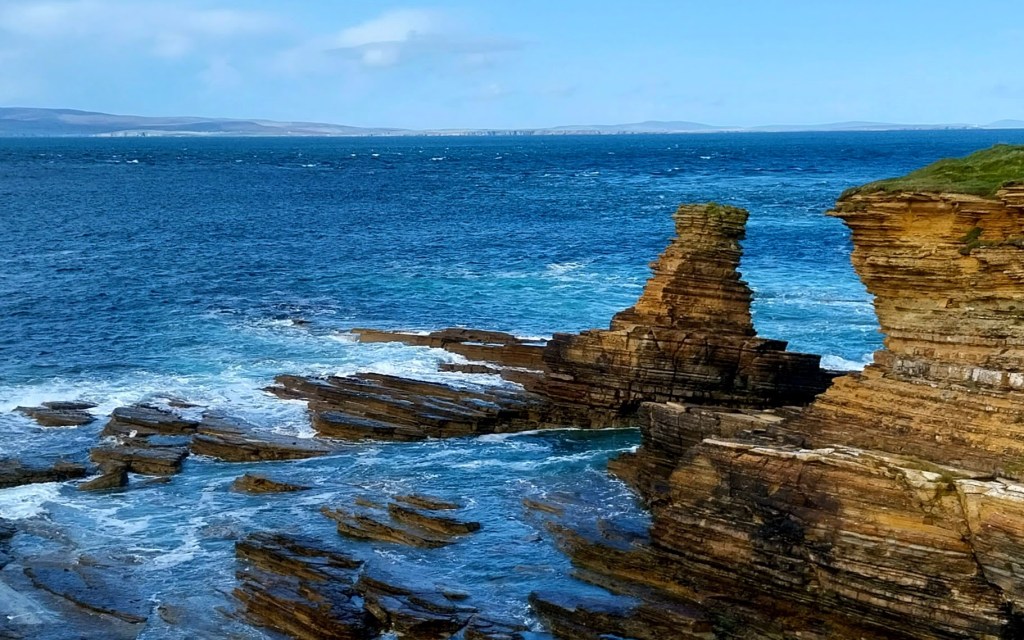
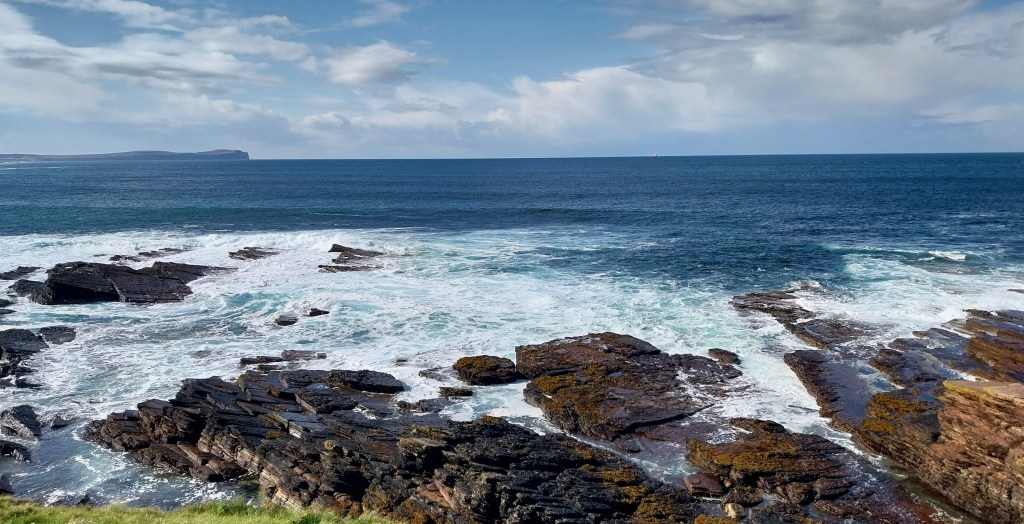
We have now reached the north coast on our motorhome tour of Scotland. The scenery here is wild and rugged, with sheer cliff faces where you peer down on powerful spraying waves crashing aggressively on to craggy, inaccessible rocky stacks.

The views are spectacular, looking directly across the foaming sea to the Orkney Isles – a barren and forbidding landscape dotted with abandoned crofters’ cottages. To the west is Dunnet Head, the most northerly point of the British Isles mainland.

And yet, our coastal walk soon brought us to a gentle cove, with a sandy beach where the seabirds fed and the seals lolloped playfully in the shallows. Nature at its wildest and best.

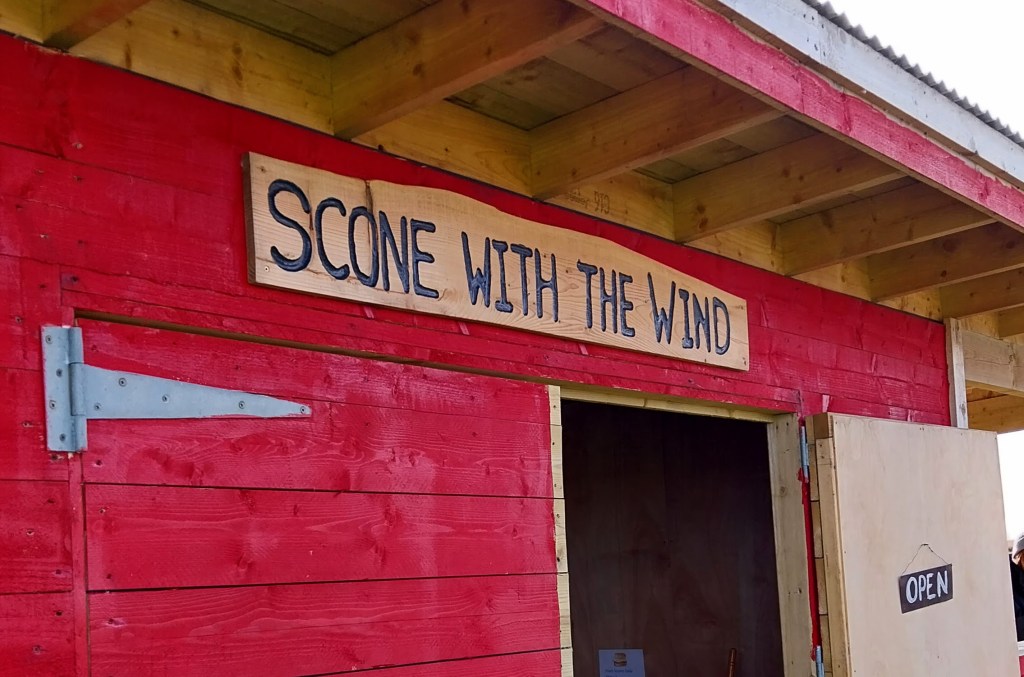
A constant is the steady onshore wind. It is this which gives its name to a little tea shop we came across. Scone With The Wind is no more than a wooden summerhouse in a local garden, where those brave souls hiking the coast can help themselves to homemade scones, tea and jam.

They are baked by the owner who lives in the house nearby. All that is asked in return is that you put a cash donation in an honesty box.

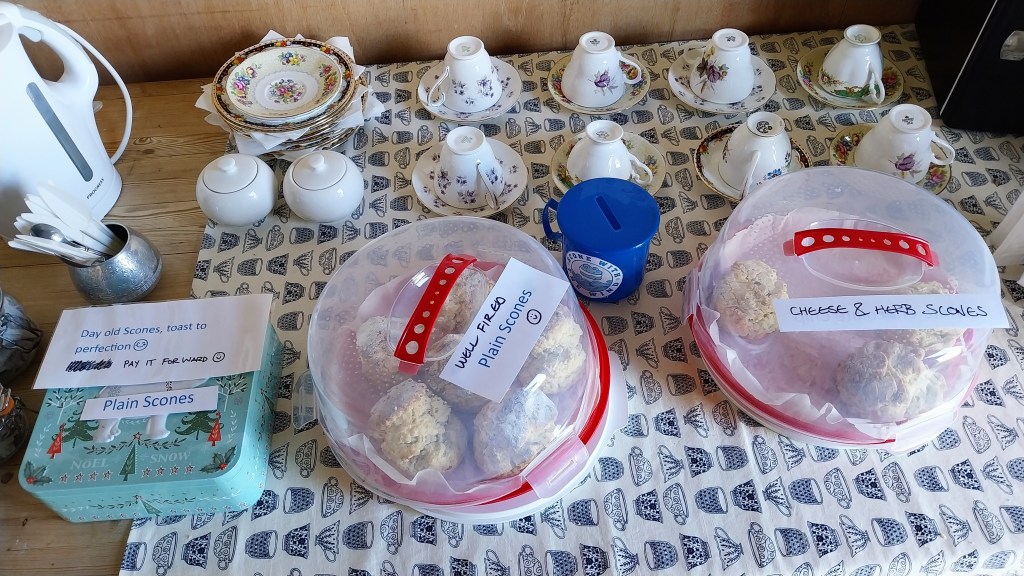
If you wish, you can sit down at one of the tables and enjoy the coastal view while you eat. The table cloths, china and napkins I think are a very civilised touch.

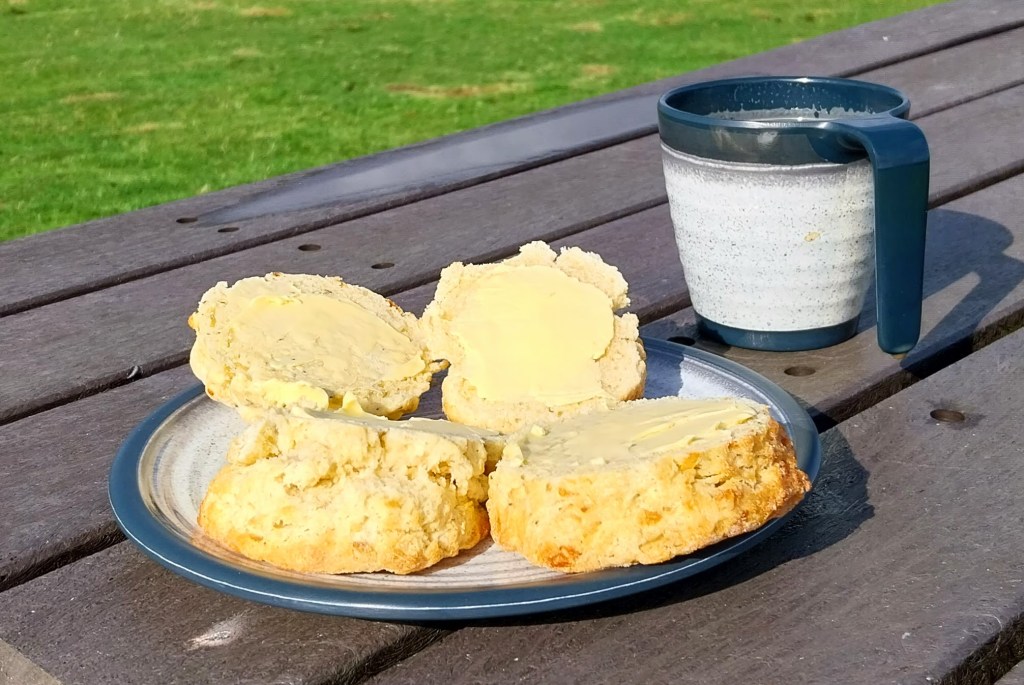
On the day of our visit, the flavours were Plain (Well Fired) and Cheese & Herb. We took ours away (having made our donation) and ate them later, spread with butter alongside a cup of tea, on a picnic between motorhome stopovers.

The owner also makes available any leftover one-day-old scones without any request for a donation. Callers are merely asked to Pay It Forward i.e. carry out a similar act of kindness to someone else in turn.

Now there’s a concept that could potentially reshape the world economy: what if we just decided to replace money with random acts of kindness to others as payment in commercial transactions?

Makes you think – and it all starts with a Scottish homemade scone.

We’ve been playing a lot of Scottish artists and bands over Android Auto as we drive along in the motorhome, especially as DAB radio doesn’t seem to have reached the Highlands yet. Here’s a track that goes well with the rugged landscapes we’ve been travelling through, featuring Stuart Adamson’s unmistakable bagpipe-guitar sound. Big Country with In a Big Country.