Categories
Bakes Recipes

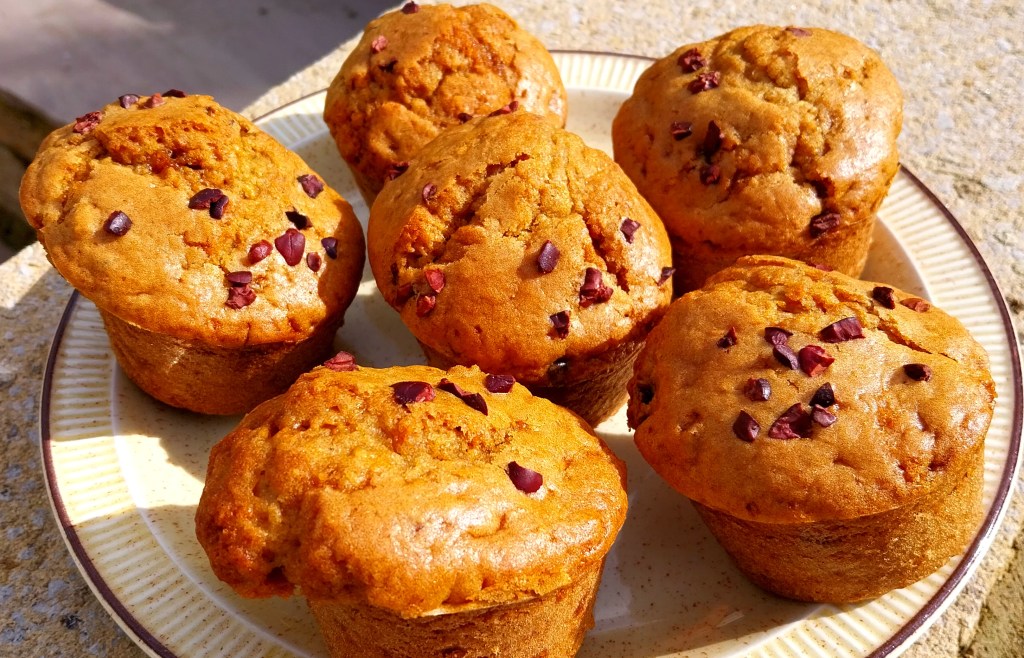
Panela & Cacao Nib Muffins

I’ve been keen to try out a new ingredient I discovered on my recent travels, while visiting Cornwall’s Eden Project.

Panela is a block of totally unrefined raw sugar cane. Produced in Colombia, it retains the good nutrients and vitamins that are naturally present, but usually screened out by the refining process. It is reported therefore to be a healthier alternative to even unrefined brown sugar. Used in baking, it adds a golden colour (see my main photo above) and natural caramel, or toffee, flavour.
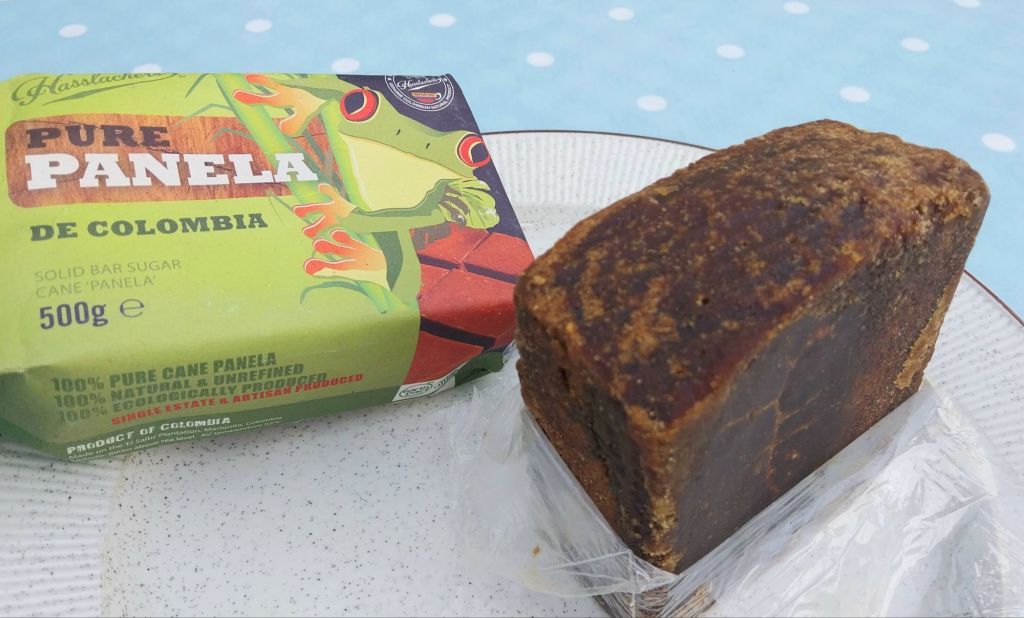
Panela was featured in the Eden Project’s Rainforest Biome, as a good example of organic and sustainable, small scale farming in South America. It’s available to purchase in their shop, sourced (of course) from the original producers on fair trade terms (I’ve since found that it can also be purchased via the internet).

I decided to keep the rainforest theme going in these muffins, by combining it with organic cacao nibs bought from a local refillery. Bitter, chocolatey, crunchy and naturally low in sugar, cacao nibs come with their own good mix of nutrients.

It all makes these some of the healthiest muffins I’ve featured yet on A Different Kitchen. And they’re delicious.

Servings

Makes 12 muffins.

Timings

15 mins to prepare, 25 mins to bake at 160C in a fan oven.

You Will Need:

  • 280g plain flour
  • 3 tsp baking powder
  • 1/2 tsp sea salt
  • 100g grated panela
  • 70g dried fruit
  • 1 egg
  • 150ml milk
  • 90ml rapeseed oil
  • 60g cacao nibs

Method

  1. Switch on a fan oven to 160C. Prepare a muffin tin or mould.
  2. Sieve the flour, baking powder and salt into a bowl. Stir in the dried fruit so it is evenly coated in the flour.
  3. Place another bowl on a weigh scale. Pick up the brick of panela and coarsely grate it into the bowl until you have around 100g. Add it to the flour. Originally I thought I would slice off a 100g piece, then grate it. However, the block of panela is so solid it is impenetrable by a knife!
  4. In another bowl, crack the egg and mix it with the oil and milk.
  5. When the oven has reached temperature, pour the egg mixture into the flour and combine. Spoon into the muffin tin or mould.
  6. Finally, stud the cacao nibs into the surface of the muffins, pushing them down gently so they adhere to the mixture.
  7. Place in the oven for 25 mins or until evenly browned.

Customise It!

If you are unable to source panela, then the best unrefined brown sugar you can find, such as muscovado, will do nicely. I included the soft dried fruit to complement the crunch of the cacao nibs and add interest to the texture. My choice was organic dried cranberries but you can use sultanas if you prefer.

Have you come across, or maybe even used, panela? I’ll be interested to hear in the comments.

Here’s a track from an album I’ve been rediscovering since returning from holiday. I really enjoyed The B-52s’ Cosmic Thing when it was first released, but haven’t played it in years. A few listens have reminded me how many brilliant tracks it contains. Here’s one of them: The B-52s with Roam.
Categories
Blog Desserts

Road to Nowhere

After several weeks travelling through Cornwall in our motorhome, we have finally run out of road. Yes, we have reached Land’s End, England’s most westerly point.

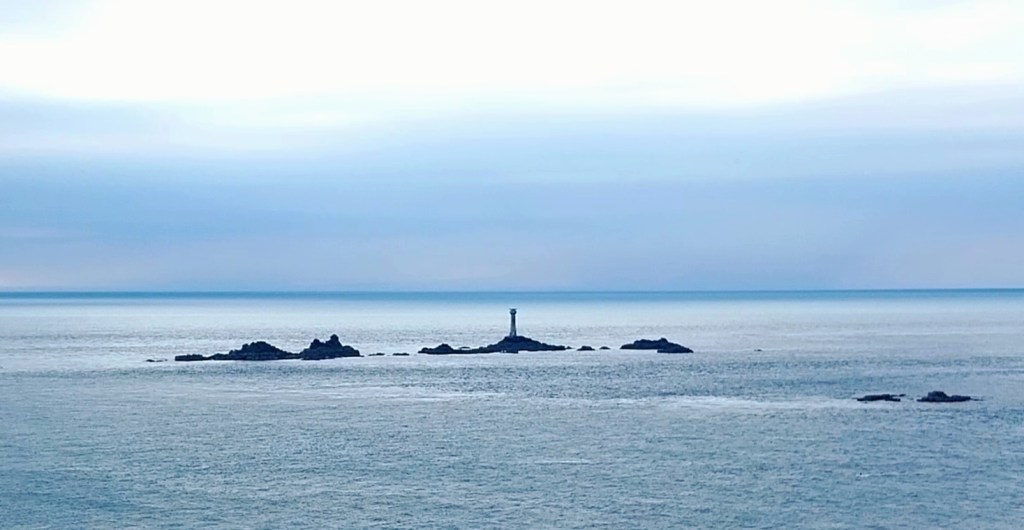
Out there beyond Longships Lighthouse, seen in my photo above, there is nothing but the Atlantic Ocean, stretching all the way across to the Eastern Seaboard. I waved a cheery hello to all our good friends and allies over there in Canada and the US of A 🙂 .

However, Cornish legend would have you believe that it wasn’t always just a great expanse of nothingness here. Back in the days of King Arthur (yes, him again), there was a kingdom known as Lyonesse that extended off the coast. That was until one particularly stormy night, when the city became engulfed by the waves, never to be seen again.

Lyonesse was reputed to have 140 churches. The story goes that, if you stand here surrounded by ocean on all sides, and listen carefully, you can sometimes hear the church bells ringing from the shadowy depths.

Well, I can’t say I heard any phantom bell-ringing (maybe I should come back at Halloween), but that didn’t stop me enjoying another enchanting tale from Cornish mythology.

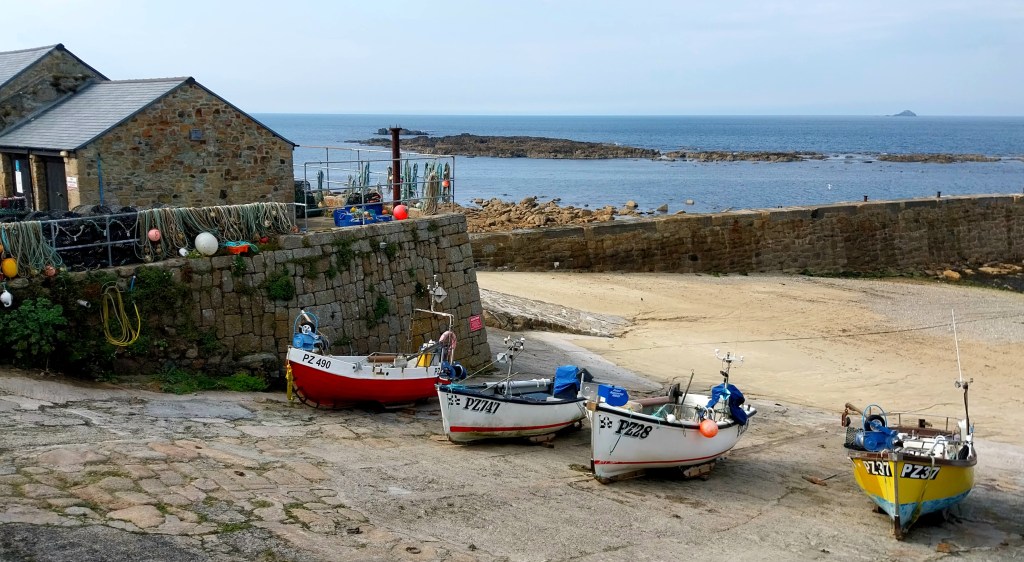
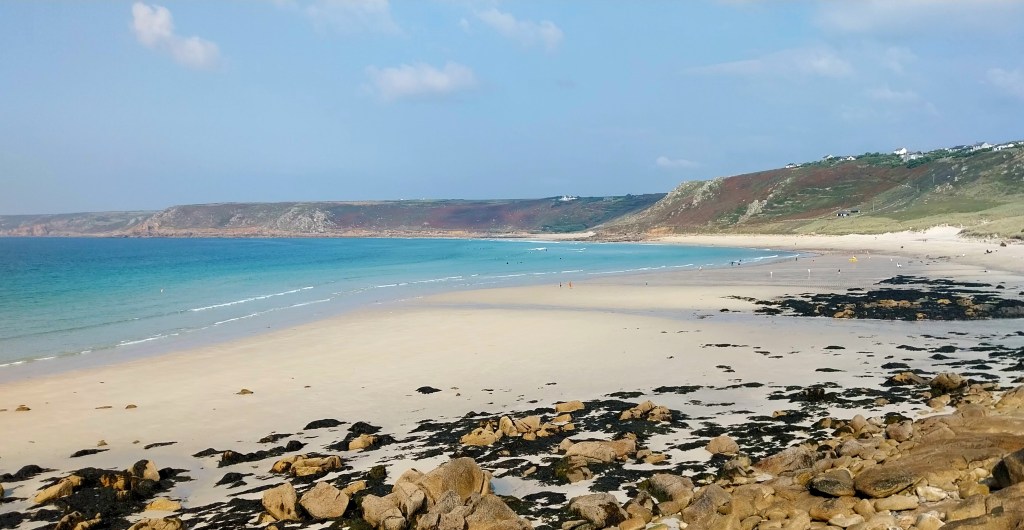
To get here, we camped for 3 nights about a mile down the coast, near Sennen Cove, shown below. We walked the South-West Coast Path along some rugged headland to reach this famous land point.

Sennen is very remote and peaceful, with a relaxed way of life.

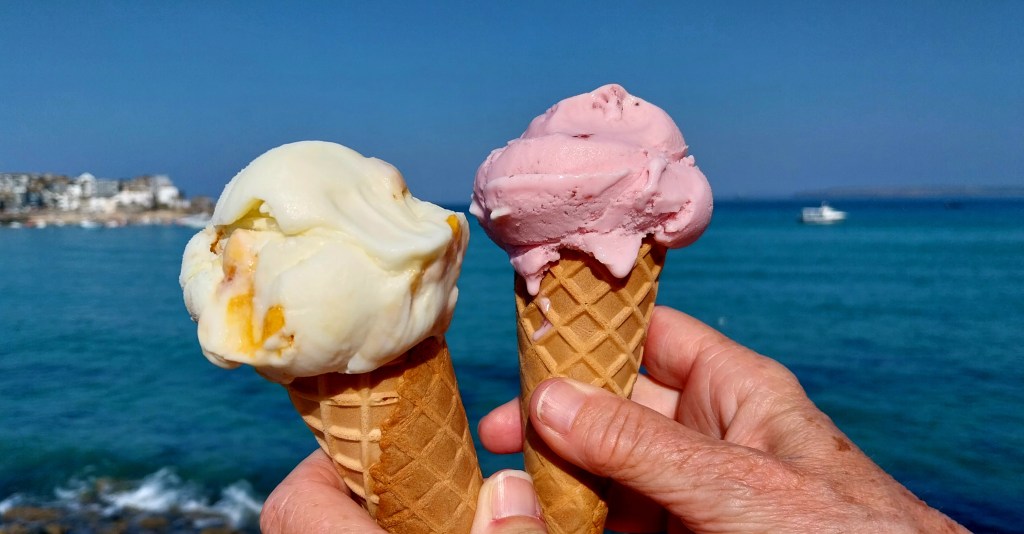
Just the place to enjoy some ice cream made with Cornish clotted cream, see below. That’s Cornish Sea Salted Caramel flavour on the left, and Cornish Strawberry on the right.

Having reached our journey’s end, it is time to head back home, which we will do gradually over the next 3 – 4 days. It’s been great fun travelling around Cornwall, enjoying the beaches, the legends, and of course the Pasties and Cream Teas.

I hope, like me, you’ve enjoyed the trip, and maybe learned something about the terrific food and drink this region has to offer.

Here are Talking Heads with Road to Nowhere.

I’ll be back next week with a new recipe.

Categories
Blog Snacks

Cornish Cream Tea

A cream tea is a must when visiting Cornwall. There are plenty of cafes offering it, wherever you go. This one we enjoyed while visiting the town of St. Ives.

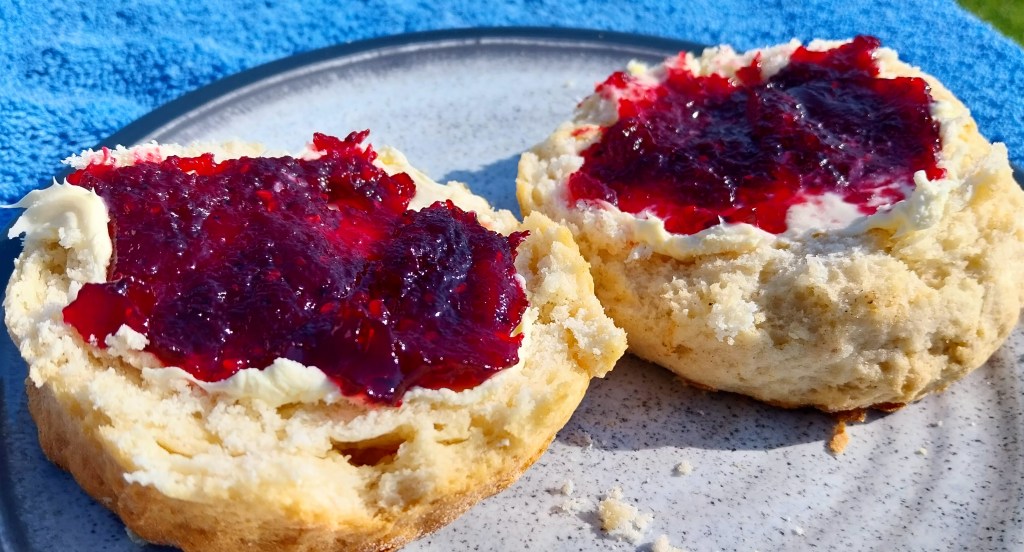
It’s a very simple and delicious meal: freshly baked scones, halved and spread with Cornish clotted cream and fruit jam. Served up, of course, with a pot of tea.
A debate rages about whether the jam or the clotted cream should be spread first – I’m a firm fan of the clotted cream providing the under layer, and then topping off with the jam, as my photo above shows.

For this meal, we actually bought a bag of scones that were fresh from the oven, in the St. Ives Bakery (the just baked aroma in the shop was heavenly). We also bought a tub of Rodda’s clotted cream, and took these back to our motorhome pitch, on a site perched up on the edge of St. Ives, with views over the bay.

We already had a jar of locally made mixed fruit jam that we’d bought earlier on our travels, in Boscastle.

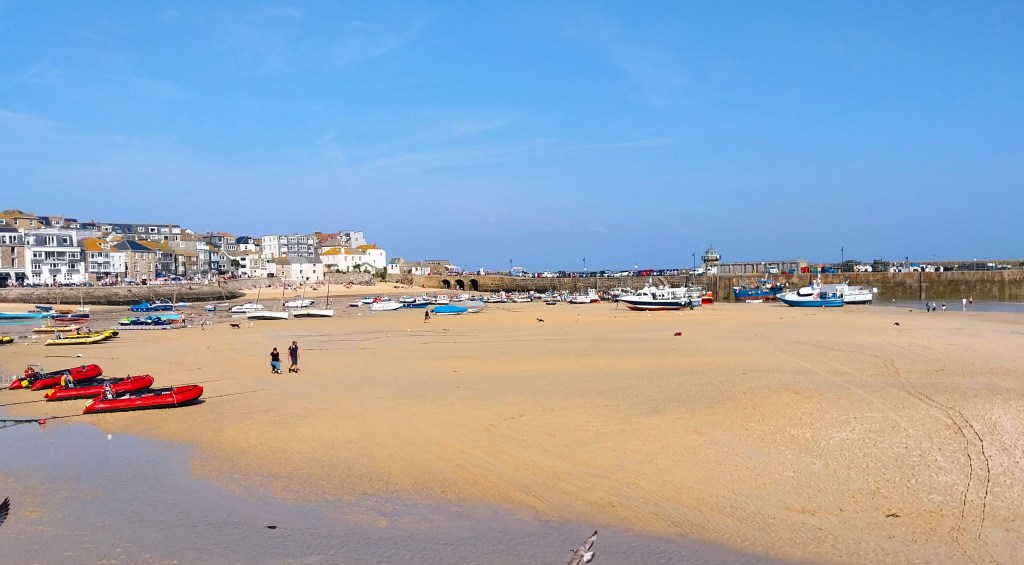
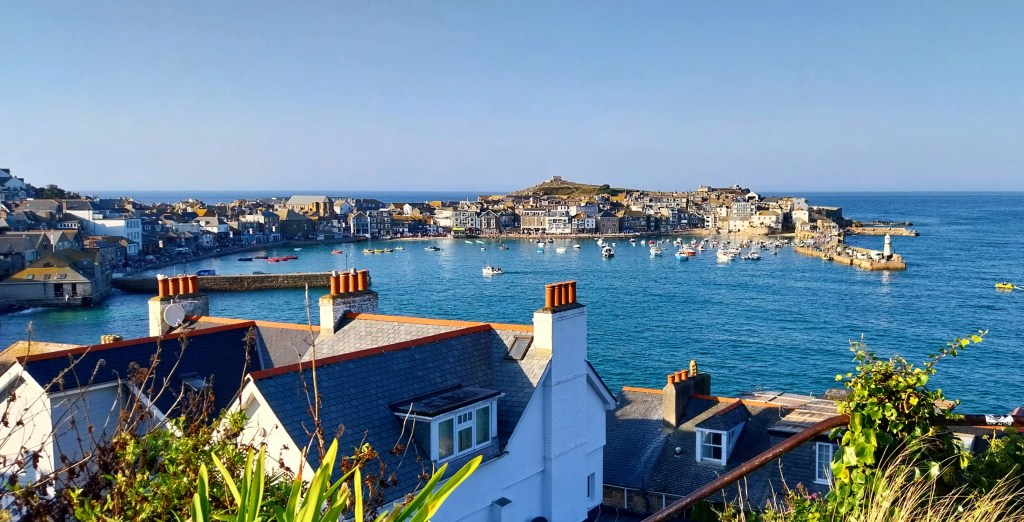
St. Ives is a beautiful coastal town. At low tide you can walk into the main port across the expansive golden beaches.

At high tide also, there are many vantage points for enjoying the views.

As you can see, the sun was shining, so we sat al fresco and enjoyed this classic lunch. With Cornish Tea, naturally.

Talking about clotted cream gives me a natural link to this track by the original supergroup, for adding to the ADK Playlist. This is Cream with Badge. Take it away, Eric!

Categories
Blog Mains

Return to Eden

Cornwall’s Eden Project really is a modern day wonder. Not only is it a great day out – it really makes you think.

Walking around this vast green and floral park on a sunny September day, it is difficult to believe that, until just a few years ago, this was an abandoned mining quarry, grey and ugly, ravaged by decades of underground metal extraction.

The transformation began in the 1990s, with an ambitious vision to turn it into a vast green oasis, showcasing plant life from all around the world, over a 30 acre site. I visited it soon after it opened in 2001, and found it very impressive.

On my current travels around Cornwall I was keen to return, to see how it was progressing. I’m pleased to report it is thriving and continues to be a very popular destination for visitors to Cornwall.

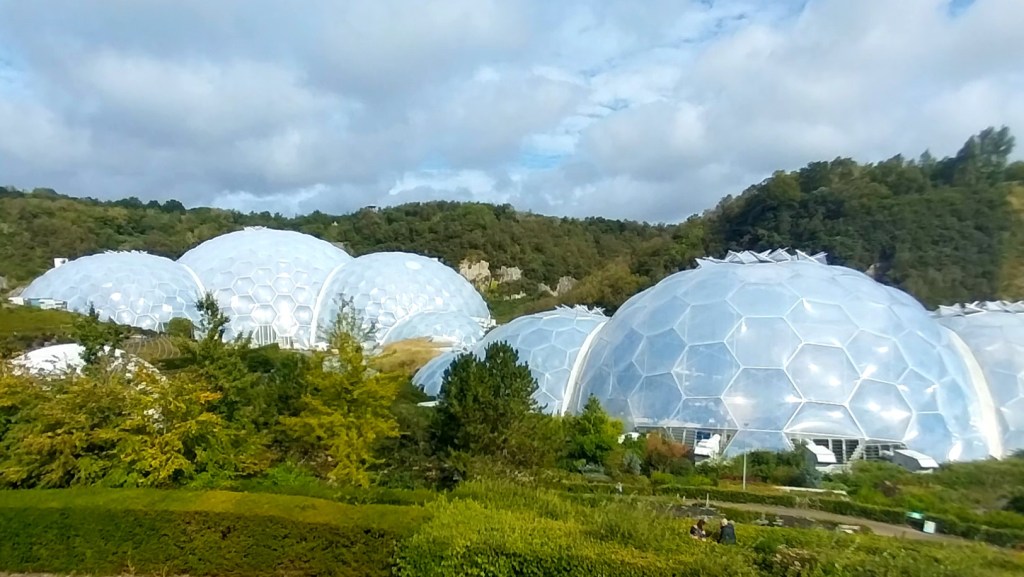
The central attraction is the Biomes – the huge, golf ball-shaped structures nestled in the centre of the valley. The first maintains a warm temperate, Mediterranean climate all year round. The second contains a fully grown rainforest, no less. Both are big enough to lose oneself in, and host mature, fully grown trees.

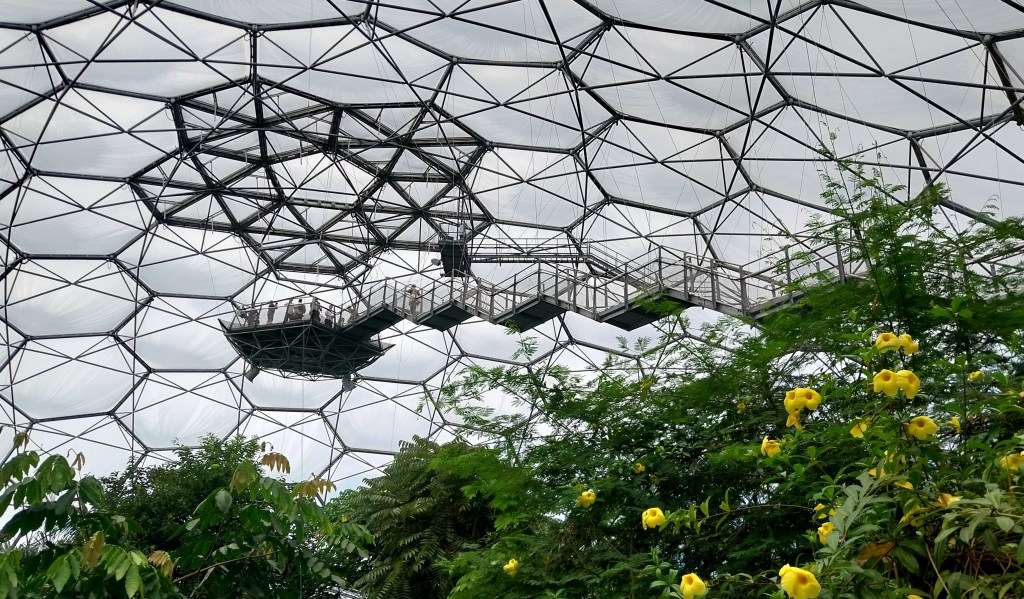
I enjoyed climbing the steps to the Lookout high up in the Rainforest Biome. It was very humid up there, and the steps did swing around a bit, but the views were great looking down over the whole of the rainforest.

These are more than just large scale greenhouses. The Eden Project is on a mission to highlight the modern day challenges to the natural world through climate change and human behaviour. They do a great job of taking complex subjects and explaining them in terms that are easy to understand.

Amongst the cacao and coffee trees in the Rainforest Biome, I learned how deforestation simultaneously reduces carbon safely stored in trees and underground, and increases the carbon in our atmosphere, thereby contributing to global warming. Deforestation is largely driven by economic pressures on producers, and countries like Costa Rica come in for praise for their efforts to combat these through sustainable reforestation. I learned that we can all do our bit to support them by choosing to buy Fair Trade coffee and chocolate, which I will now try to do.

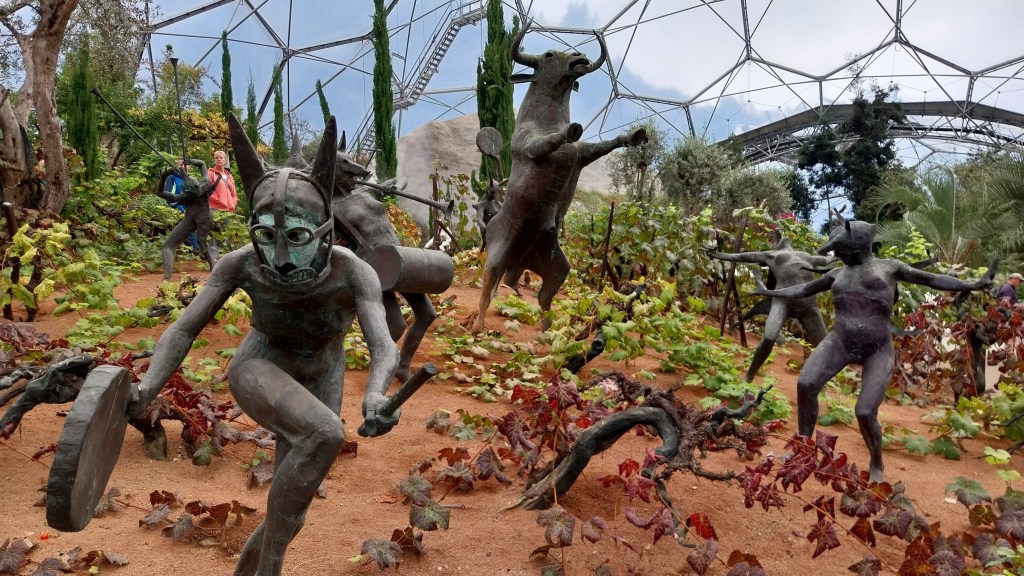
I like the art that is scattered around the landscape, such as the Rites of Dionysus, Greek god of wine, in the Mediterranean Biome.

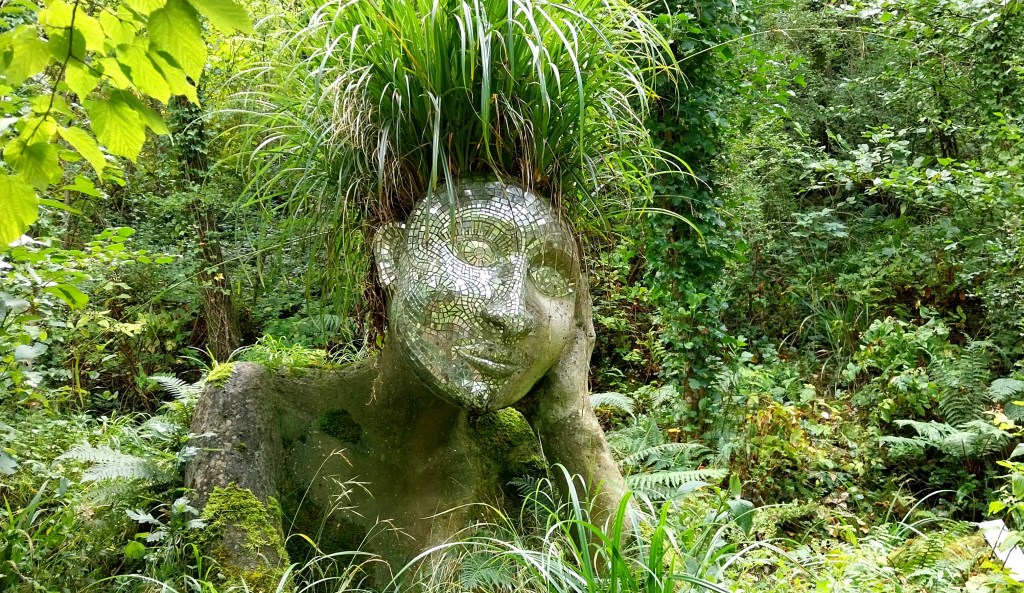
We came across this mirrored tree goddess high up in the outdoor gardens, just inside what used to be the rim of the quarry, now known as the Wild Edge.

The art carries a loose theme that cultural diversity is important, and that resource management is better led by local communities than big corporations.

We had lunch in the Biome Kitchen. All the ingredients used are seasonal and locally grown. Suppliers are all Cornwall-based businesses, like soft drinks from Jolly’s, and ice cream from Roskilly’s. Even the catering promotes a sustainable local economy.

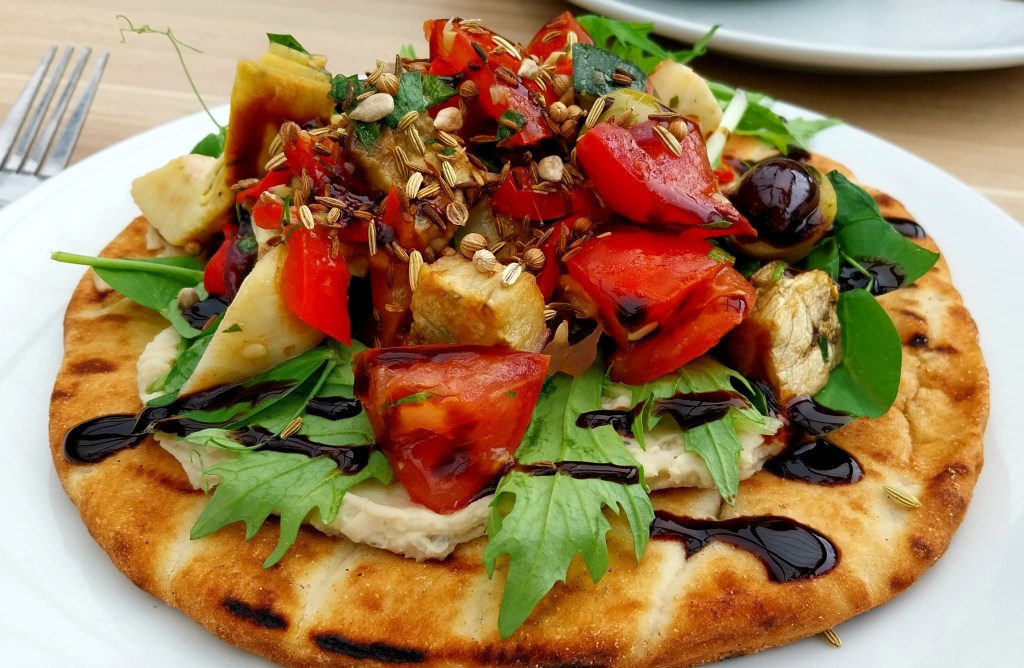
My choice for lunch was this griddled flatbread, topped with white bean pate, leaves, marinated roasted vegetables, tomatoes, balsamic drizzle, herbs and toasted seeds.

The overall message from the Eden Project is one of hope. If a team of people can successfully transform a disused quarry into a beautiful, green paragon of sustainability, then most things are possible. We learn that every one of us can do our bit – small changes made locally can contribute to wider scale positive change. It is never too late.

Time to add Coldplay to the ADK Playlist, with Paradise.

Categories
Blog Snacks

The Lost Gardens

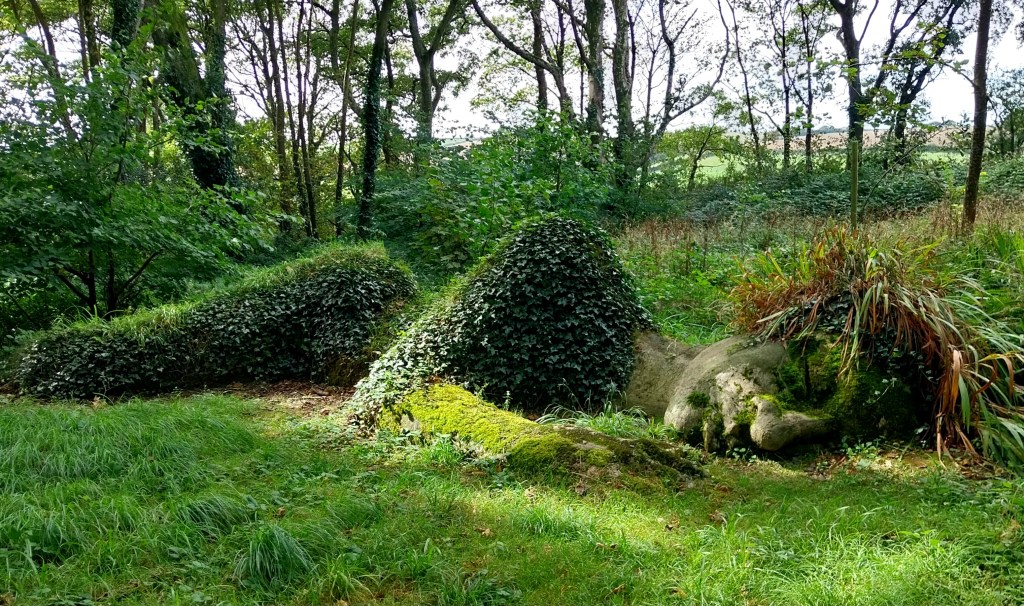
Ssshh, tread quietly so you don’t wake her..

The Lost Gardens of Heligan, the latest stop on our travels around Cornwall, is full of surprises – just look who we stumbled upon having an afternoon nap in the woodland.

This 200 acre family-owned estate was founded in the 16th Century. For many decades, Heligan hosted a thriving and self-sufficient community, living off the produce of the land, including the substantial kitchen garden here.

Then it all changed after World War 1. A number of the gardening team went to fight in the war and, sadly, never returned. The estate fell into neglect, abandoned and overrun.

Until 1990 that was, when the efforts of an enthusiastic band of volunteers helped restore the Gardens to the horticultural wonder they are today. The old walled gardens and greenhouses are a centre for cultivation of heritage vegetables. Traditional livestock breeds are farmed and horticultural skills from a century ago are being practised once again.

Such is the interest in this heritage time capsule that Heligan is now one of modern Cornwall’s top visitor attractions.

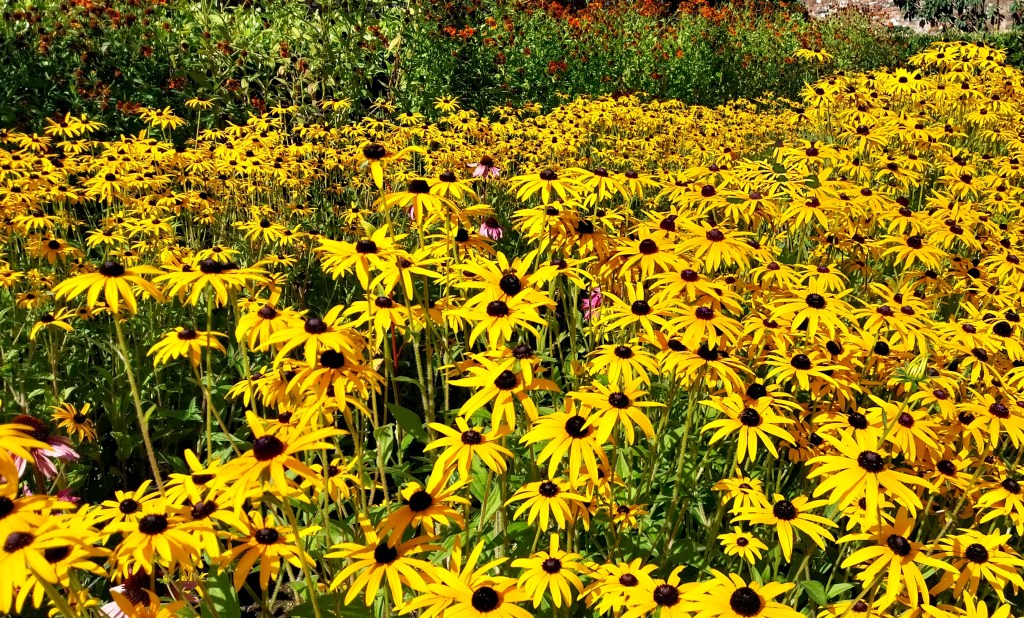
Many come to enjoy the blaze of colour from the flower displays.

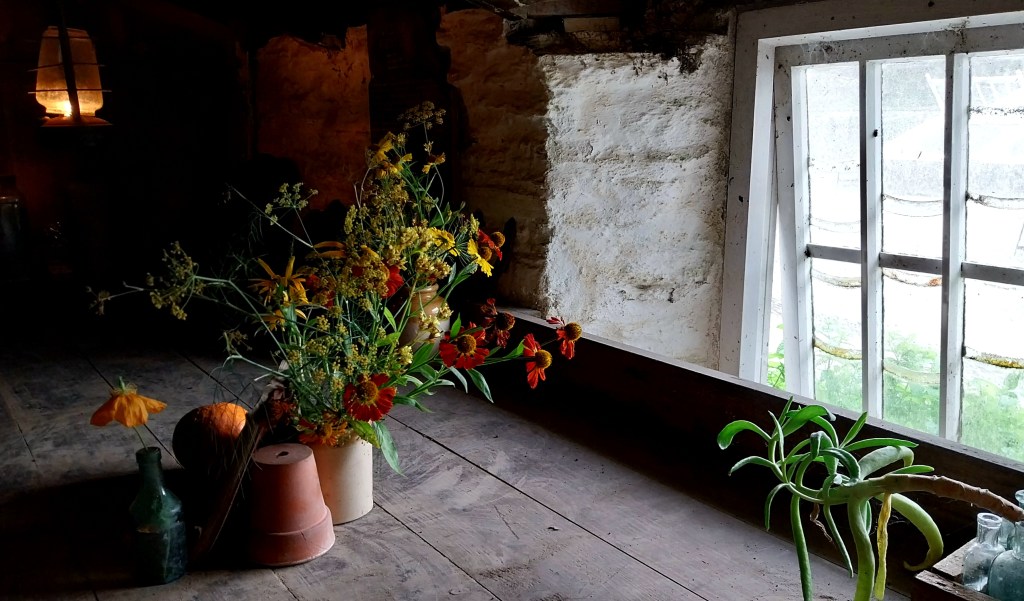
Seasonal produce grown here can be enjoyed through the dishes in Heligan’s cafe. The old buildings are well cared for, and beautifully presented, decorated with freshly cut flowers. I took this photo in the old potting shed.

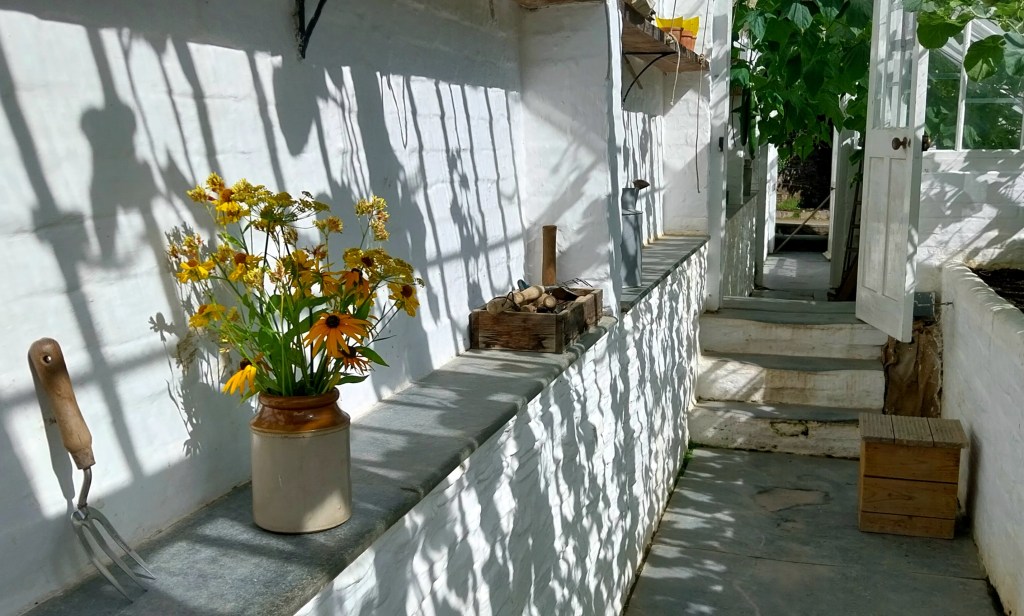
I liked this image of the whitewashed wall inside a greenhouse, with the sun streaming through.

Those wishing to venture deeper into the estate can seek out the Lost Valley, stretching down towards the coast at Mevagissey. What had become a largely overgrown and impenetrable jungle can now be crossed by boardwalk and rope bridge, enabling the Gardens’ many rare and veteran plant species to be enjoyed once more.

There are also one or two newer, enchanting surprises to be found along the way, such as the Mud Maid in my main photo at the top of the post.

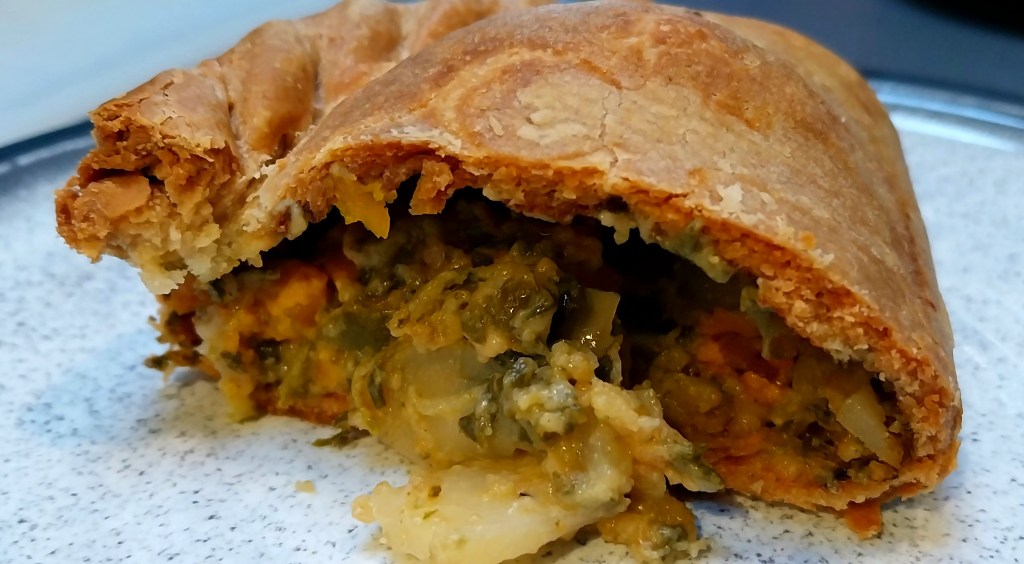
Foodwise, another pleasant surprise on my travels has been my latest variety of Cornish Pasty! The name of this one is Veggie Power, which struck me as just a brilliant name for a dish.

The steak in the traditional filling has been replaced with mushroom and butternut squash, alongside the usual potato, onion and swede. The pastry looks and tastes like it has a higher content of wholemeal flour than the traditional version. Take a bow, Rowe’s Bakery in Falmouth for this tasty and innovative twist on the traditional Cornish Pasty.

The next track on the ADK Playlist is one that the sleeping Mud Maid might appreciate. This is The Cure with Lullaby.

Categories
Blog Snacks

Mount’s Bay, Cornwall

Our motorhome travels around Cornwall, in the south-west corner of Britain, have now brought us to Mount’s Bay.

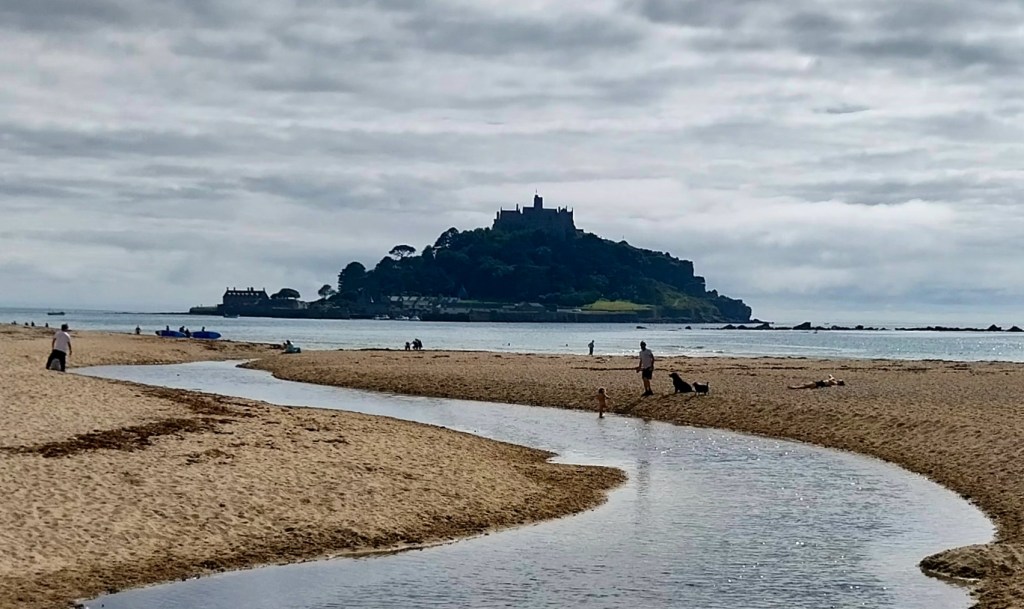
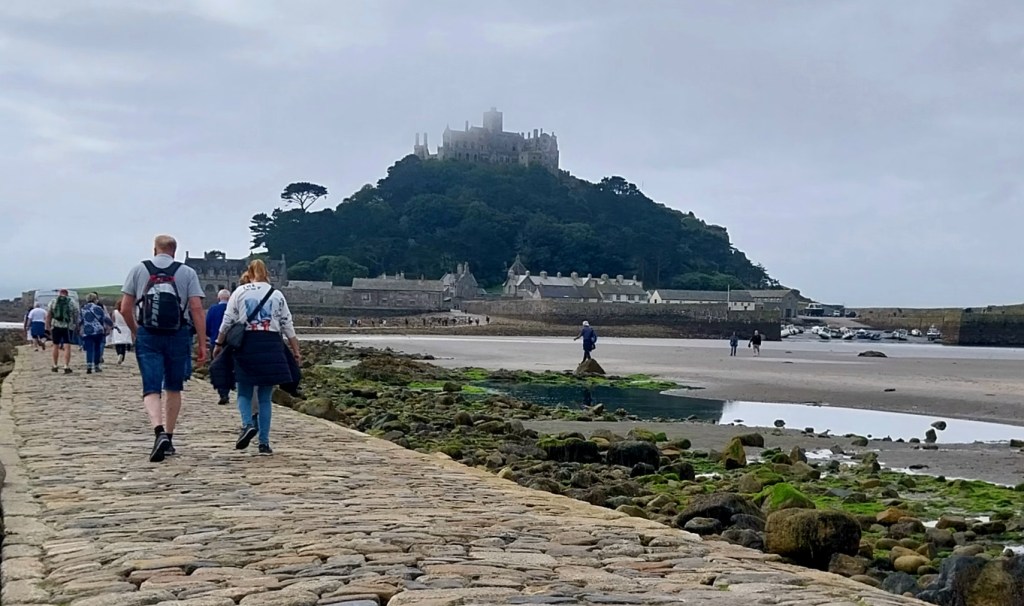
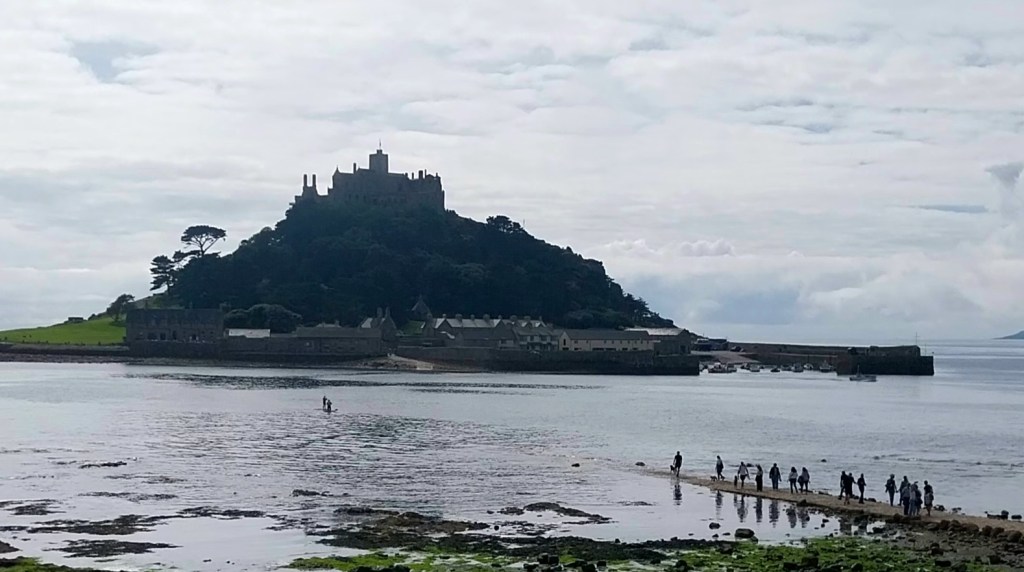
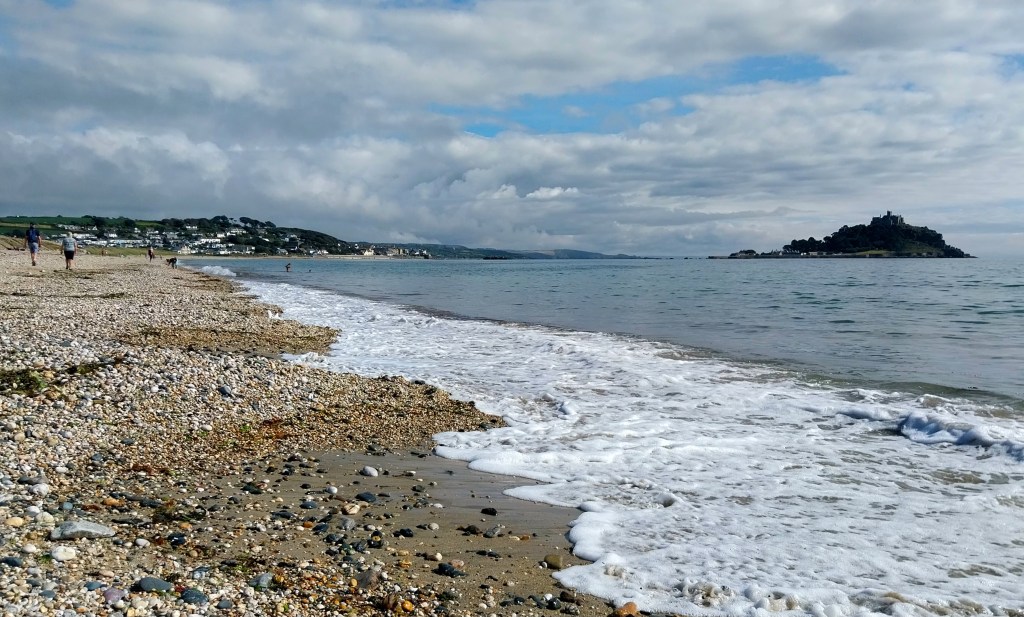
St. Michael’s Mount is visible all around the Bay, from Marazion to Penzance in the west. It is an ancient castle and sacred site high up on an island, accessed via a causeway at low tide, as shown in my photo below. It’s a path well-trodden down the centuries by pilgrims and travellers.

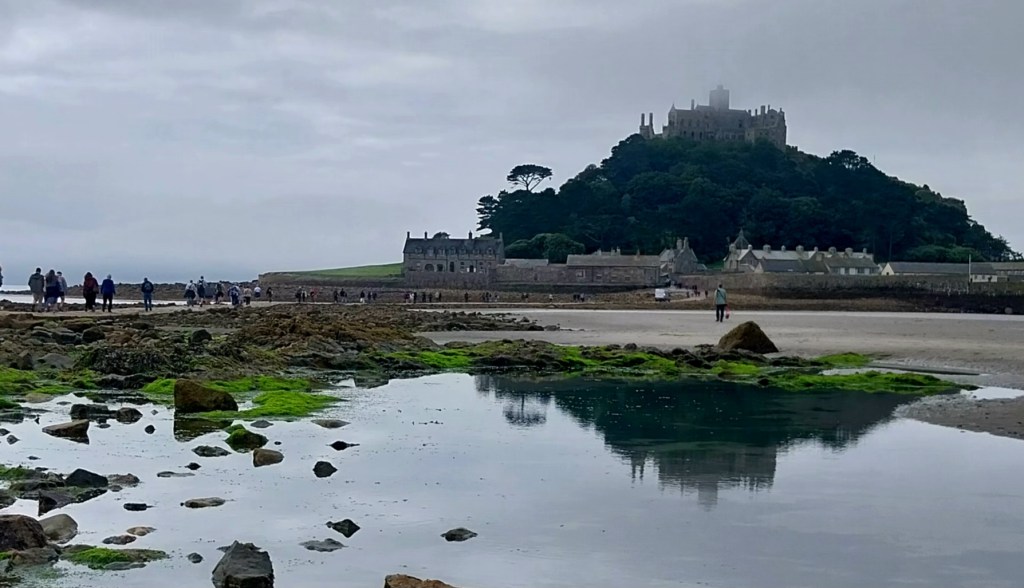
Low tide was early morning when we visited, and the mist around the Castle had yet to fully clear. I clambered across the sand to get a dramatic picture of the Mount reflected in this rockpool.

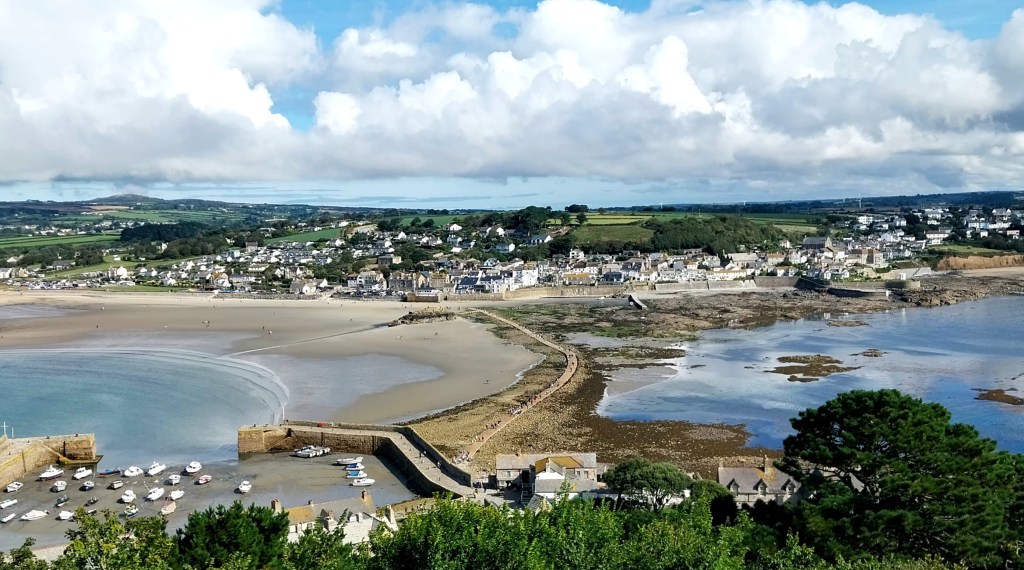
By the time we had crossed and climbed the steep cobbled lanes to the summit, the mist had cleared. There were terrific views back to Marazion, the sun now glinting on the stone causeway snaking its way across the golden sand.

We returned ashore again before the sea flowed back, a few hours later. Anyone leaving the journey too late will receive nature’s reminder that time and tide wait for noone.

The stretch of the South-West Coast Path around the Bay is also a cycle trail. We were treated to more scenic views as we rode it all the way to Penzance.

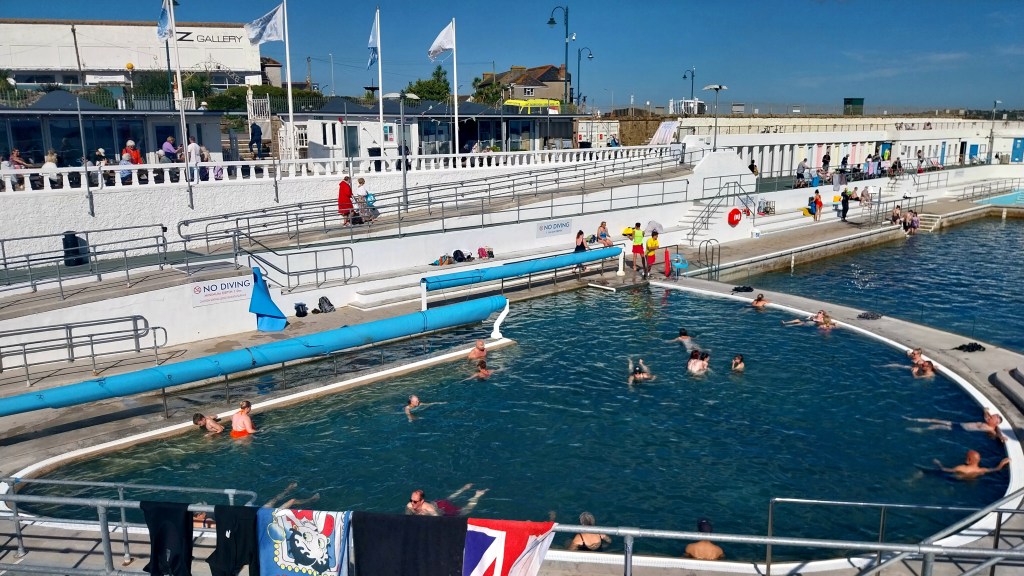
Arriving in Penzance, I enjoyed a swim in the Jubilee Pool, a vast, open air saltwater lido. It dates from the 1930s and has an art deco design.

The main pool is filled directly from the sea, and was a bracing 16C (it’s, er, ok once you’re in and moving around!) I then warmed up in the Jubilee’s star attraction, a large geothermal pool heated naturally by an underground spring to a much more amenable 30C.

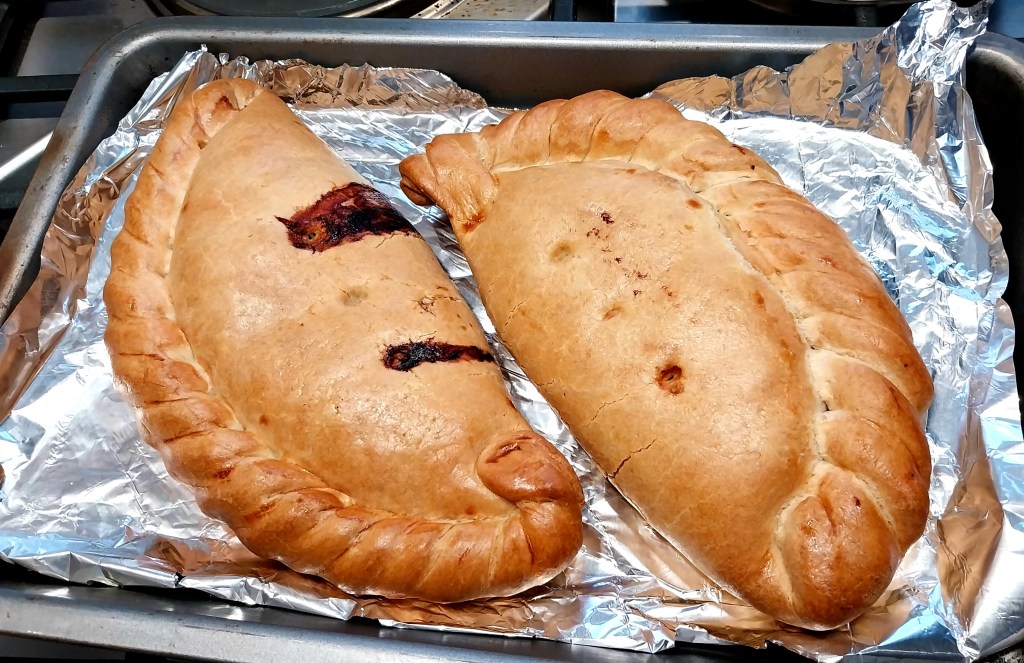
After all that walking, climbing, cycling and swimming, I reckon I had earned another Cornish Pasty.

These ones had a traditional filling of chopped steak, potato, onion, swede and black pepper, in a buttery, flaky pastry crimped together at the edge. They really are the most popular street food here, with thousands baked fresh every day by little independent bakeries. Warmed up that evening in the motorhome oven, it was delicious and filling.

Time for the next track on the ADK Playlist. Those misty, early morning images of the Mount kept reminding me of the lyrics in this track by Led Zeppelin ….pack your bags for the misty mountains, where the spirits fly….: This is Misty Mountain Hop.

Categories
Blog Drink Mains

Atlantic Coast Express

The next adventure on our foodie travels around Cornwall is a trip to Padstow, by bike along the Camel Trail.

Padstow, shown in my photo above, is a compact, picturesque and very popular little fishing port on the north coast of Cornwall.

The Camel Trail follows a disused railway line along the bank of the River Camel estuary all the way from Wadebridge.

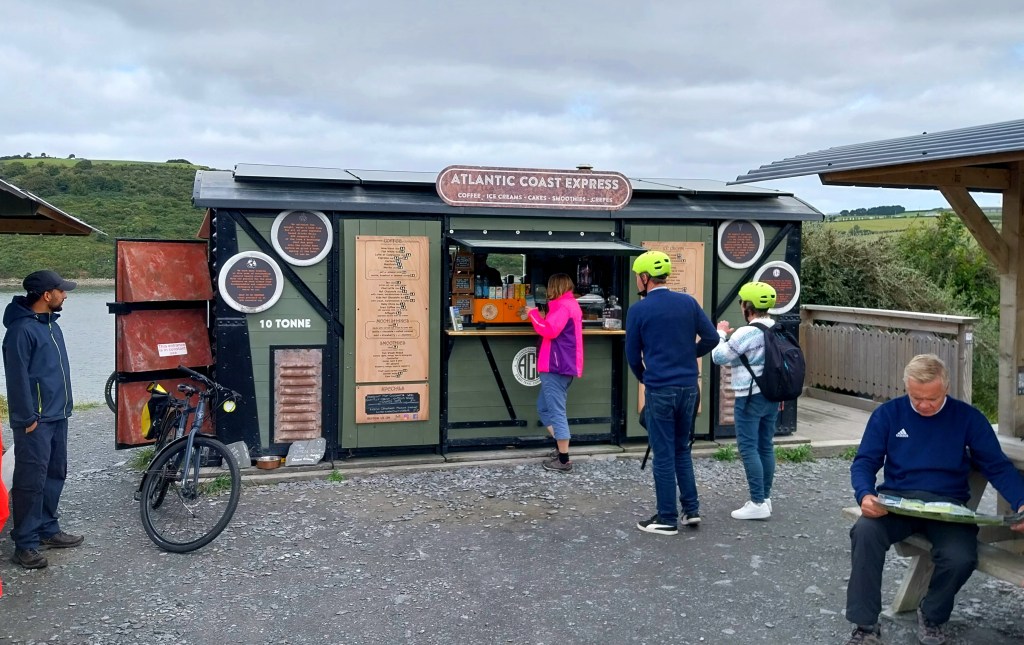
This coffee stop along the route is housed in a refurbished railway carriage. It takes its name from the train service that used to travel this line back in the day: the Atlantic Coast Express. You place your order, then collect it when the toot-toot of the old steam whistle sounds.

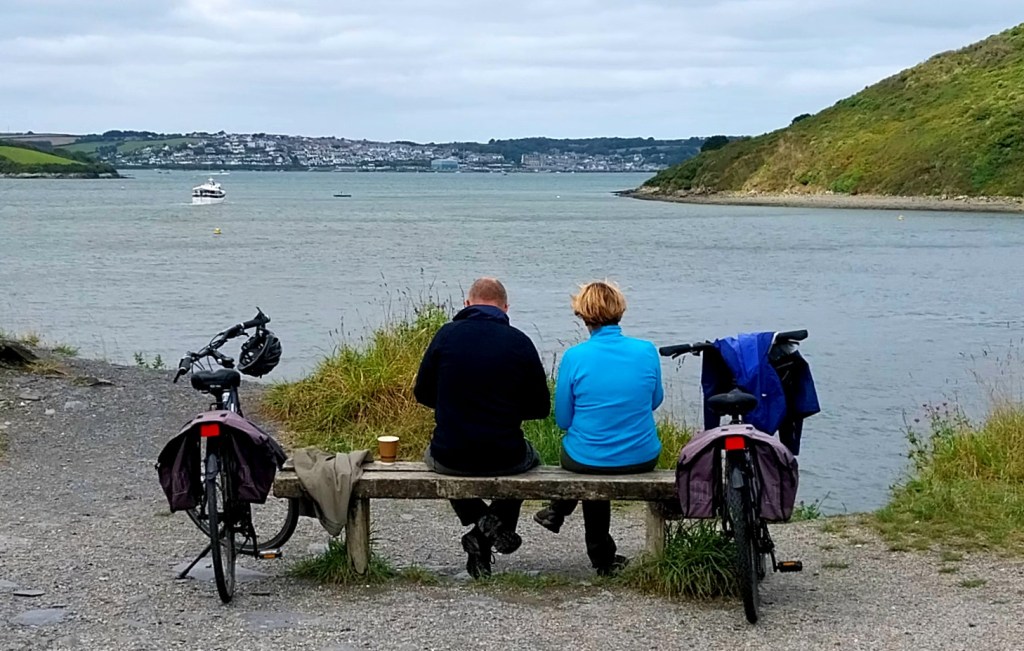
There’s a relaxed vibe, with people chatting, checking the map, or just enjoying the views across the estuary.

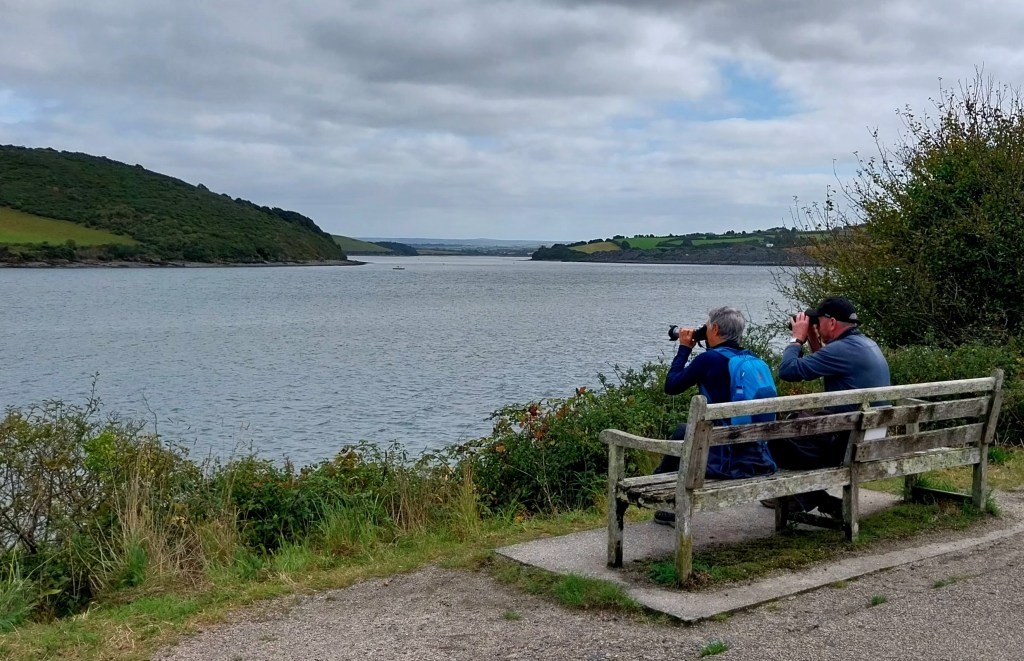
It’s a good place for a spot of bird watching.

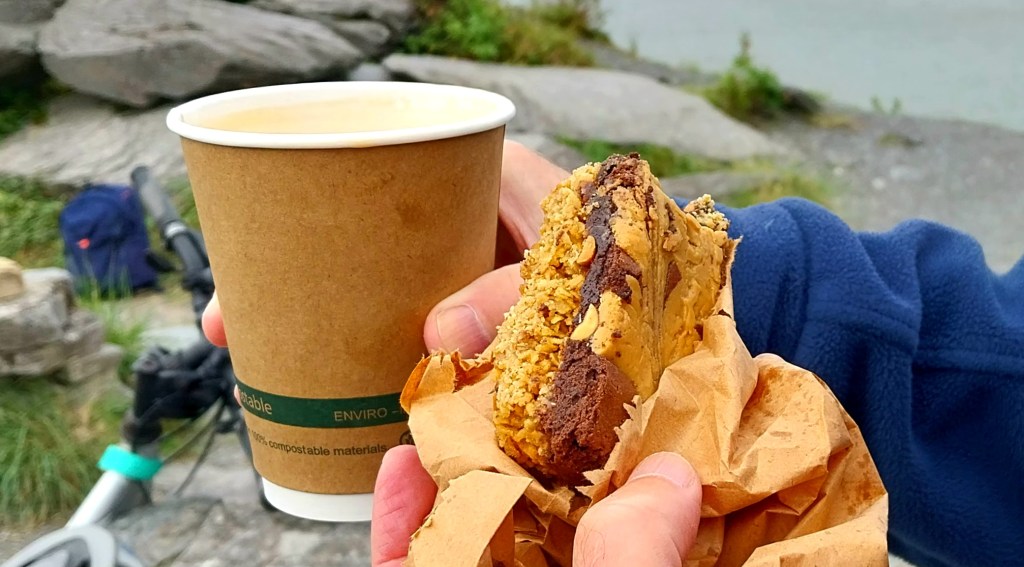
The cakes at Atlantic Coast Express are all locally sourced and look great. We shared a peanut butter chocolate brownie, giving us the energy boost we needed to complete the 5 mile ride into Padstow.

Padstow has been rather thrust into the foodie scene since celebrity chef, Rick Stein, set up his seafood restaurant here. It’s proven such a success that he’s followed it up with a cafe, deli and cookery school. Other restaurants and outlets have followed,  meaning the town now boasts a varied and quality food offering, whether sit-in or takeaway, to suit every taste and budget.

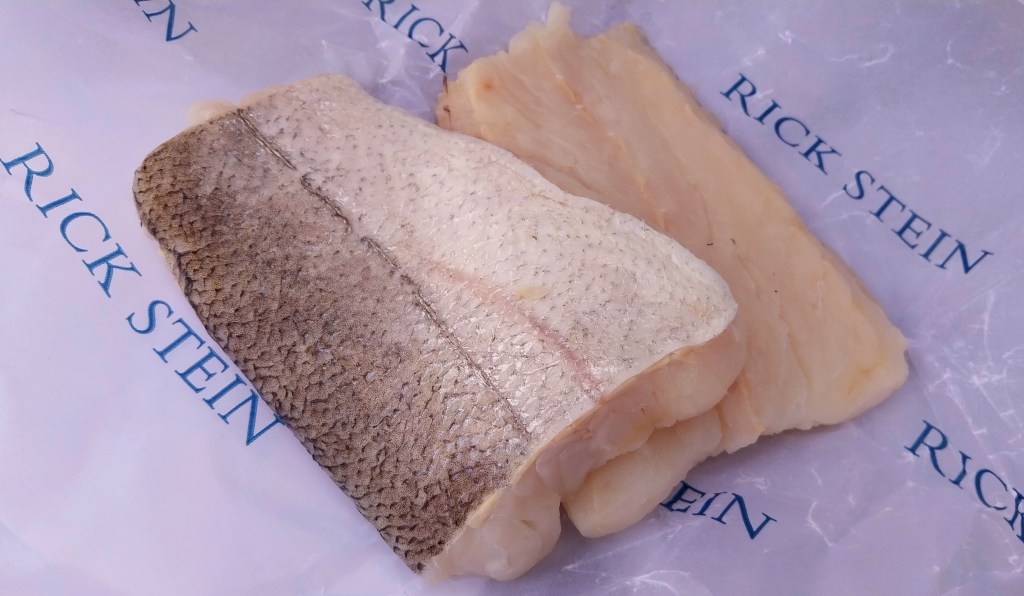
We bought these fillets of Cornish hake from the wet fish counter in his deli.

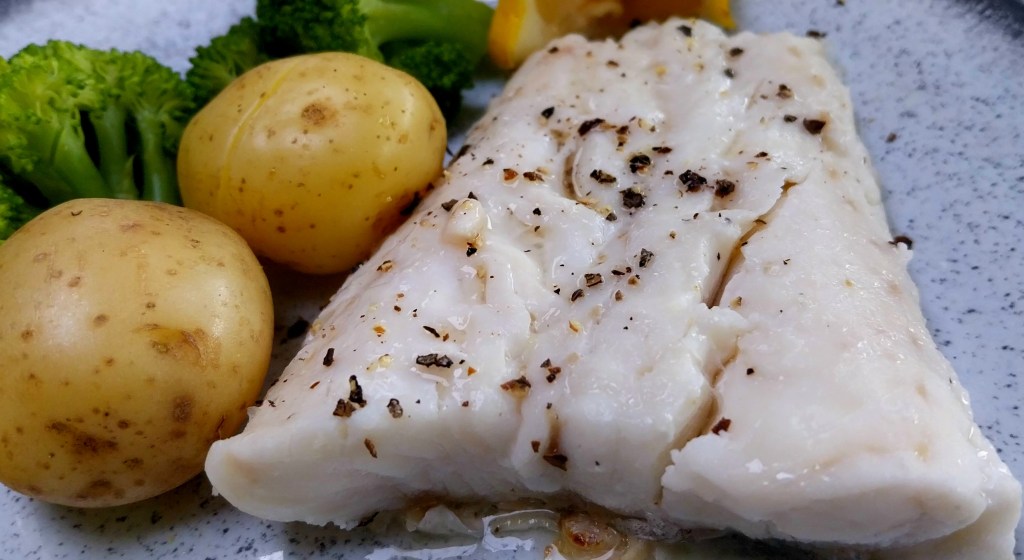
Arriving that evening at our next motorhome stopover, I cooked them in a foil parcel on the Cadac (my gas bbq). Ten minutes was all that was required, then a squeeze of fresh lemon and a few twists of black pepper. We served them up with Cornish new potatoes and broccoli.

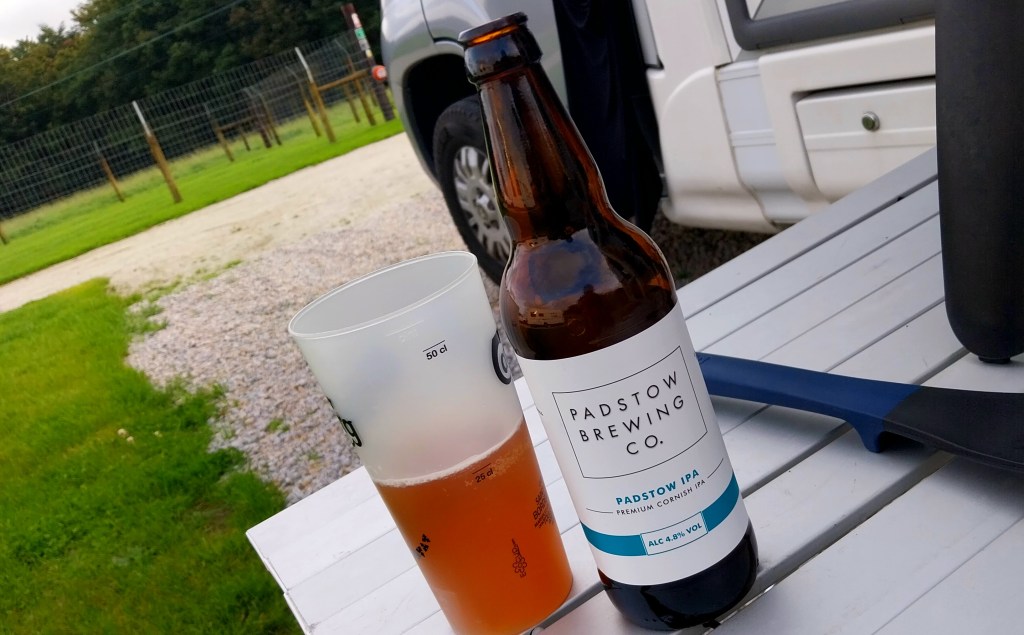
A bottle of Cornish IPA was a perfect accompaniment to the meal, also biked back to the van in my pannier, from the Padstow craft brewery.

We had live music at our campsite last night, and this timeless classic is one of the tracks the band performed. It could be a motivational song when it comes to cycling, considering all the hills here in Cornwall! This is Jackie Wilson with (Your Love Keeps Lifting Me) Higher and Higher.

Categories
Blog

Magical Cornwall

We’re off on our motorhome travels again, this time around Cornwall in the south-west corner of Britain. I’ll be visiting some interesting places and posting about the great regional food and drink to be found in this part of the world.

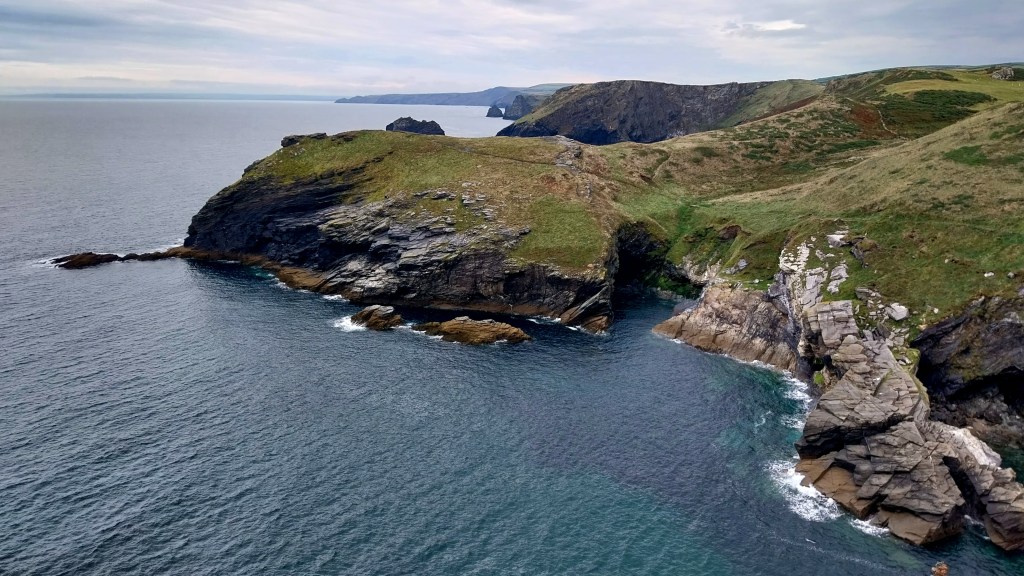
First stop is Tintagel on the north coast – an ancient castle up on a rocky headland, with views out to the Atlantic. The site is full of mystery, having links to the legend of King Arthur.

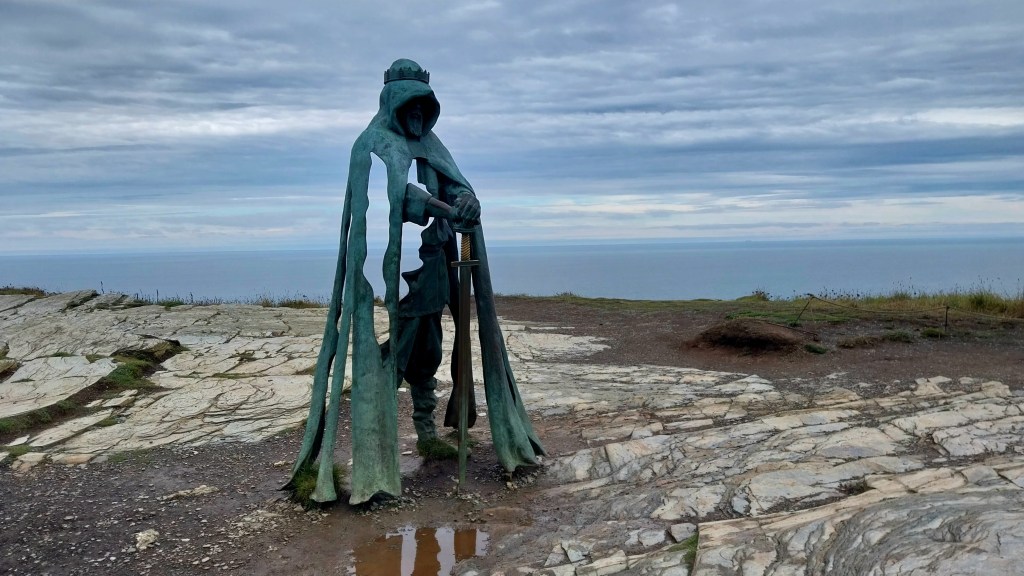
Those making it to the summit are greeted by the imposing figure of Gallos, shown in my main photo above. This statue in bronze symbolises the power of the ancient Cornish rulers who reigned here in the Dark Ages, around the 6th Century AD. His ghostly, semi-transparent, sword-wielding figure evokes the legend of Arthur.

We walked here from our campsite, 3km along this rugged coastline via the South-West Coast Path.

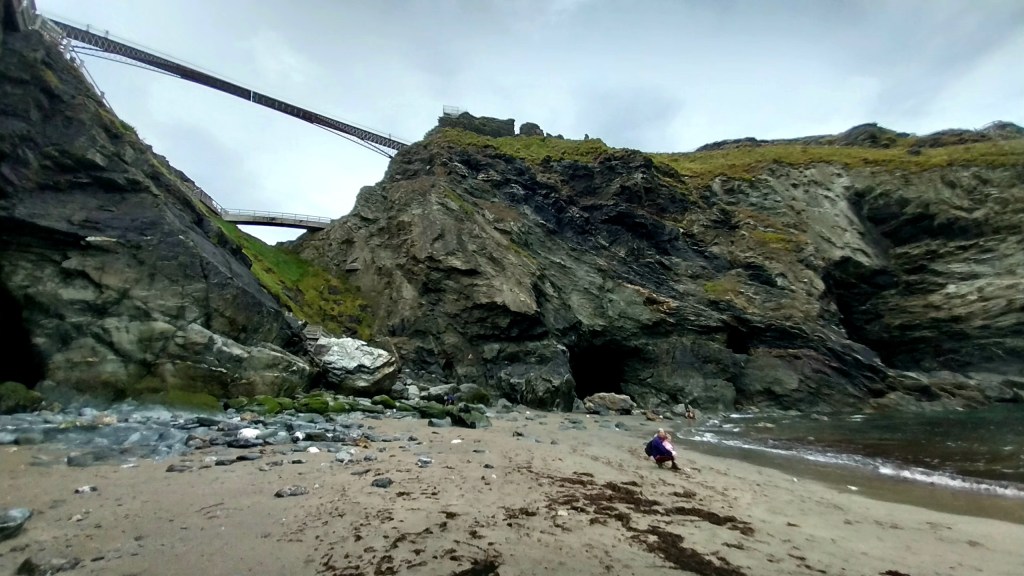
The Castle ruins are on an island, reached by walking across a high suspension bridge that’s replaced the causeway – long since eroded and tumbled down into the sea.

Several steep flights of steps take you down to the beach below, which can only be reached at low tide. The final set of steps has been washed away by the sea, leaving one to clamber over the rocky debris to reach the sand.

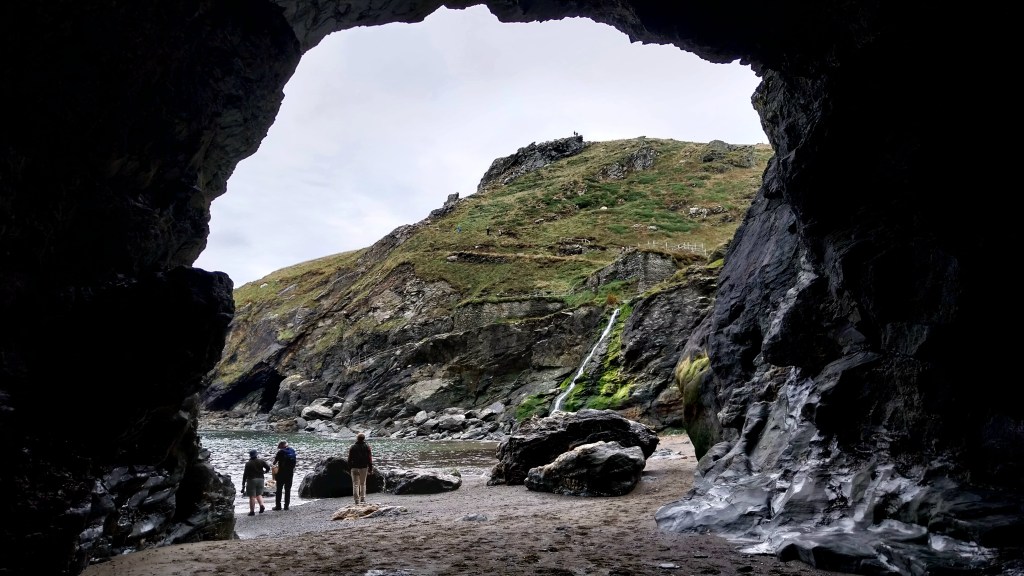
Many people make the descent to explore the vast hole cut into the rock face by the waves. It is known as Merlin’s Cave, supposedly the place where the famous wizard resided.

I was surprised how vast it was inside. I took this photo looking out towards the headland opposite and the crashing waves.

Excavations of the Castle site suggest that the people who lived here in the Dark Ages ate and drank well. There is evidence of a sea trading network with the Byzantine Empire, and fine foods and pottery imported from the Mediterranean.

The taste for fine food certainly continues in modern day Cornwall, as a walk up into nearby Tintagel village will show. There is no shortage of tempting pubs and cafes offering delicious Cornish Pasties, cream teas and clotted cream ice cream. Meanwhile, any budding wizards will also find a unique range of shops specialising in all things alternative therapy, sorcery and witchcraft.
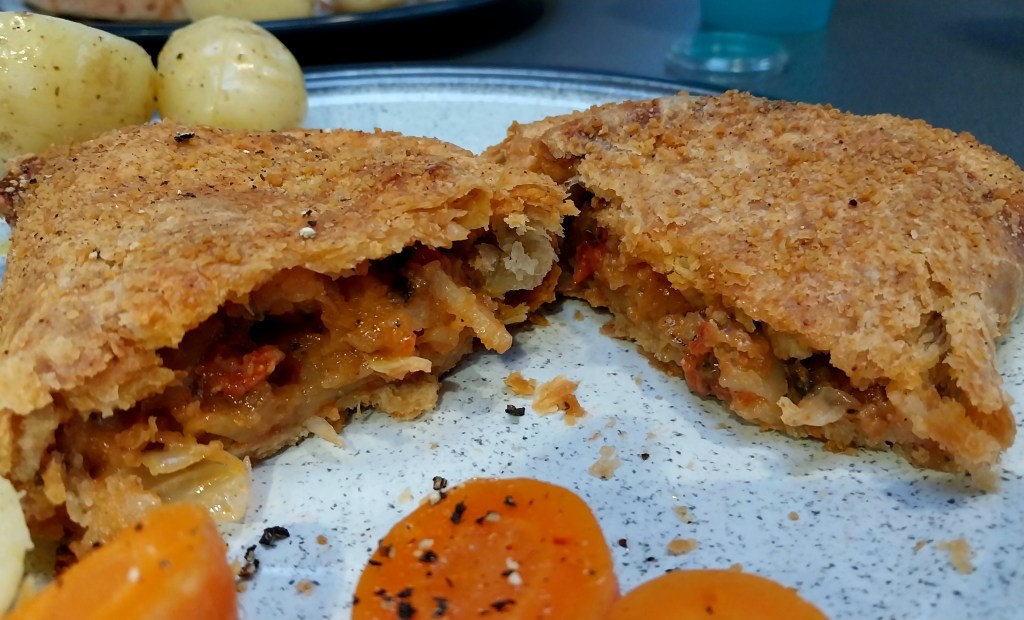
Hungry after a morning of walking, climbing and scrabbling over rocks, we settled at the Cornish Bakery, where I opted for this Cornish Pasty. It had a delicious filling of chorizo, mozzarella and Cornish sea salt.

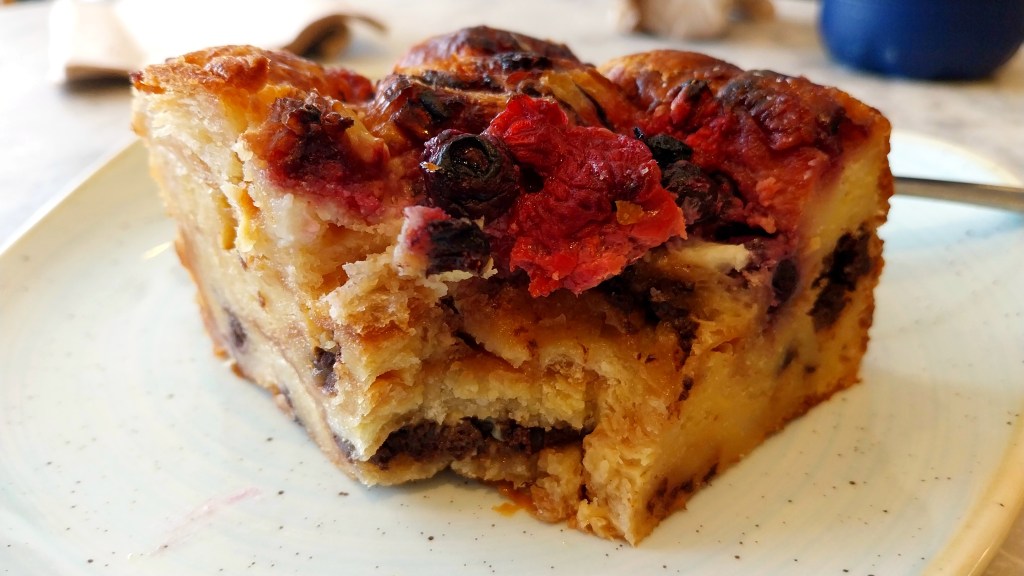
Sweet was a slice of Cornish Pudding, a local take on bread and butter pudding, with pastry baked in custard, laced with berries and chocolate.

Magical!

Today’s musical choice just has to be prog rock: there is enough mysticism about Tintagel to inspire an entire Led Zeppelin album. This track is a duet between Robert Plant and Sandy Denny, from Fairport Convention, over some intricate acoustic mandolin by Jimmy Page. Light up an incense stick and enjoy Led Zeppelin with The Battle of Evermore 🙂

Categories
Blog Snacks

The Giant’s Causeway

While spending this week in Northern Ireland for a family wedding, a visit to the Giant’s Causeway has proven to be a very popular day out.

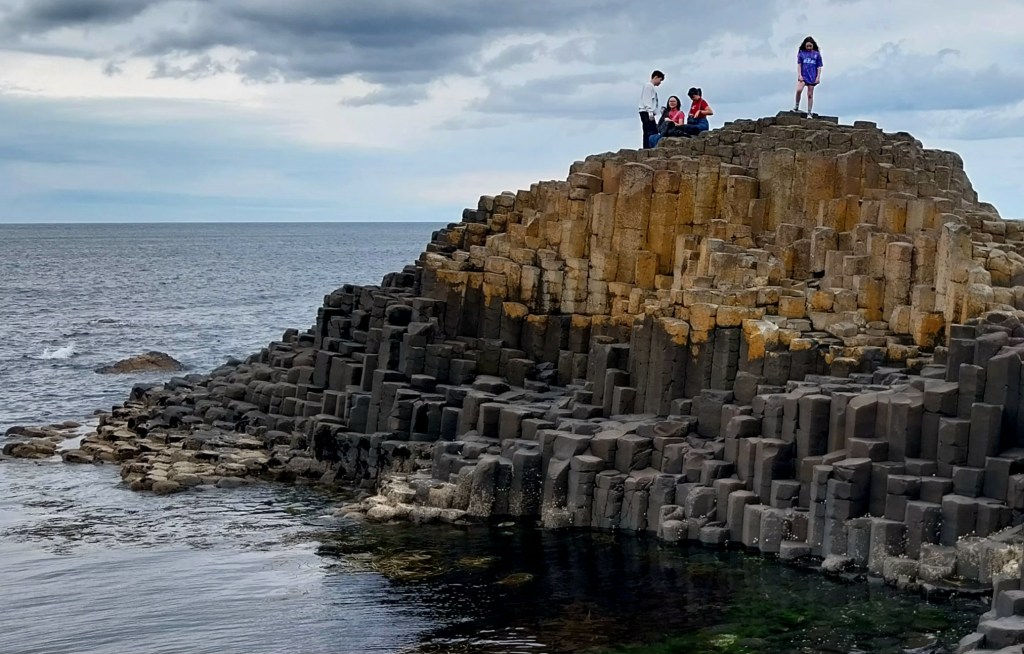
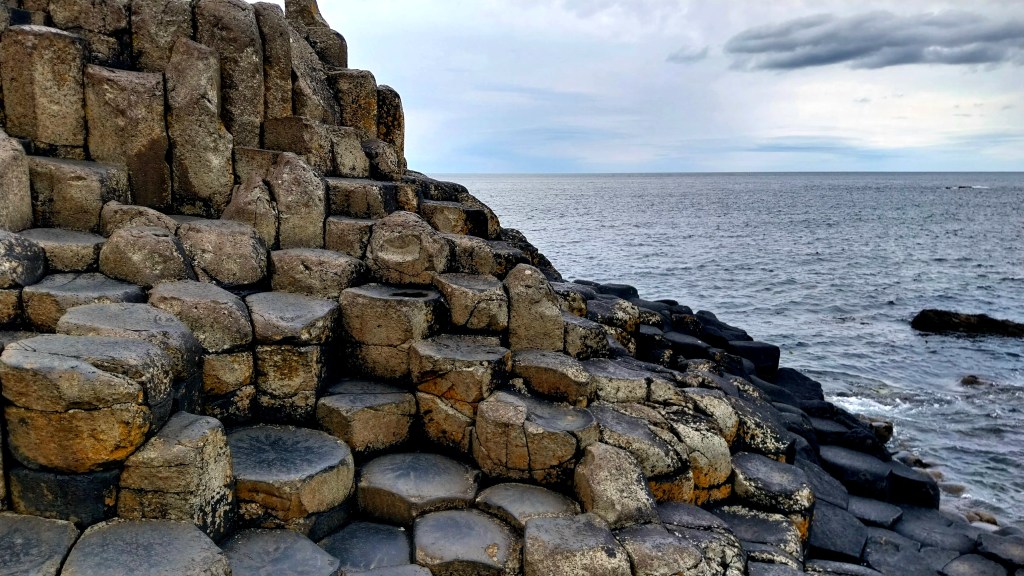
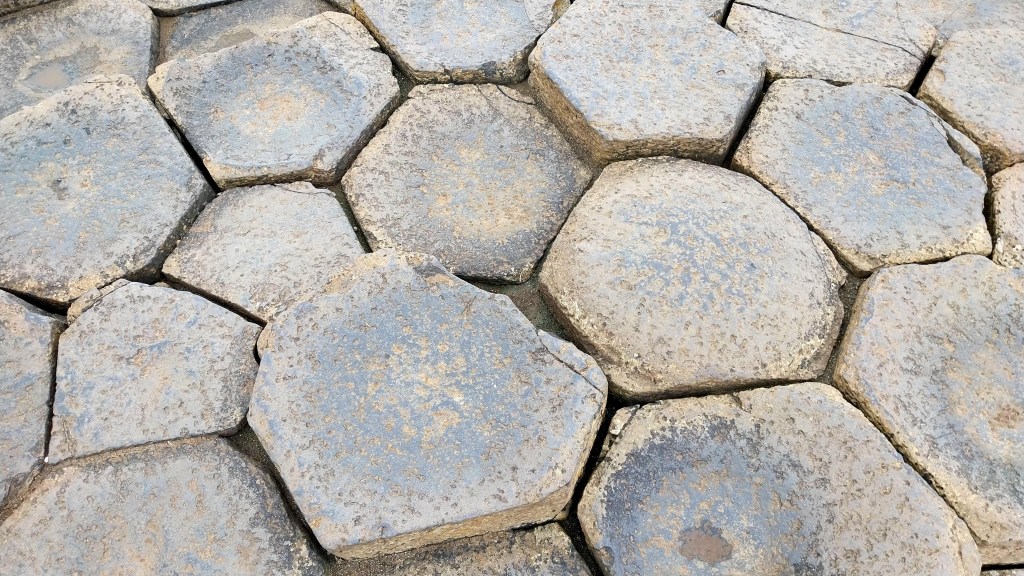
Geologists will tell you that this vast stetch of coastline was formed 60 million years ago, when the shifting of the Earth’s tectonic plates unleashed molten rock and lava that, over time, has been shaped by rivers and glaciers into the unique honeycomb-patterned, hexagonal basalt columns that we see today.

However, as Irish people will tell you, the real explanation is that the rocks were scattered here by local giant, Finn McCool, as a walkway over to Scotland where he had challenged a neighbouring giant to a fight. The story goes that, on seeing that his opponent was even more gigantic than him, Finn fled back home, ripping up the causeway as he went, leaving just the end of it that we can see today.

Whether it is the science or the Celtic folklore that you find persuasive, you can’t fail to be impressed by your visit.

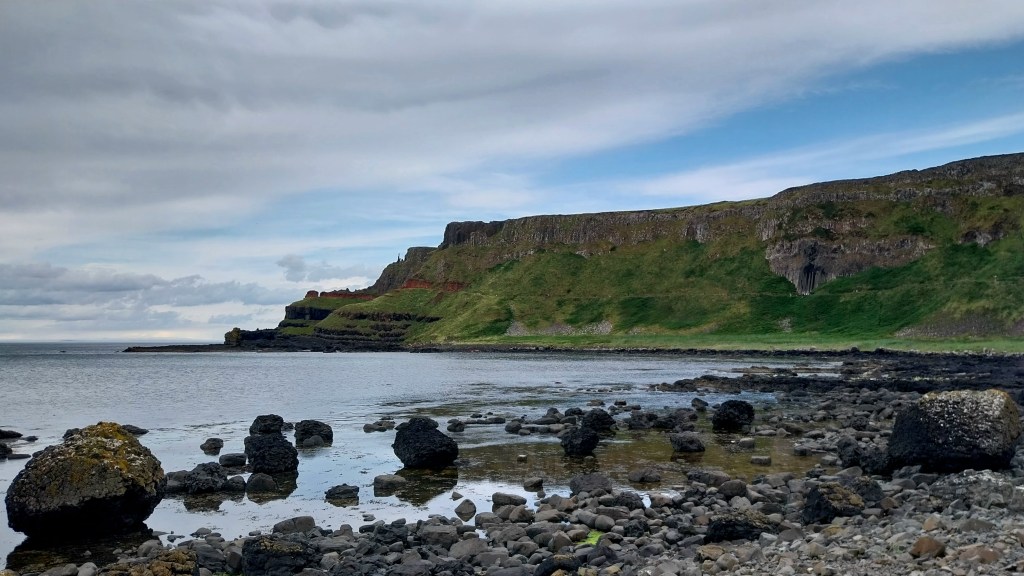
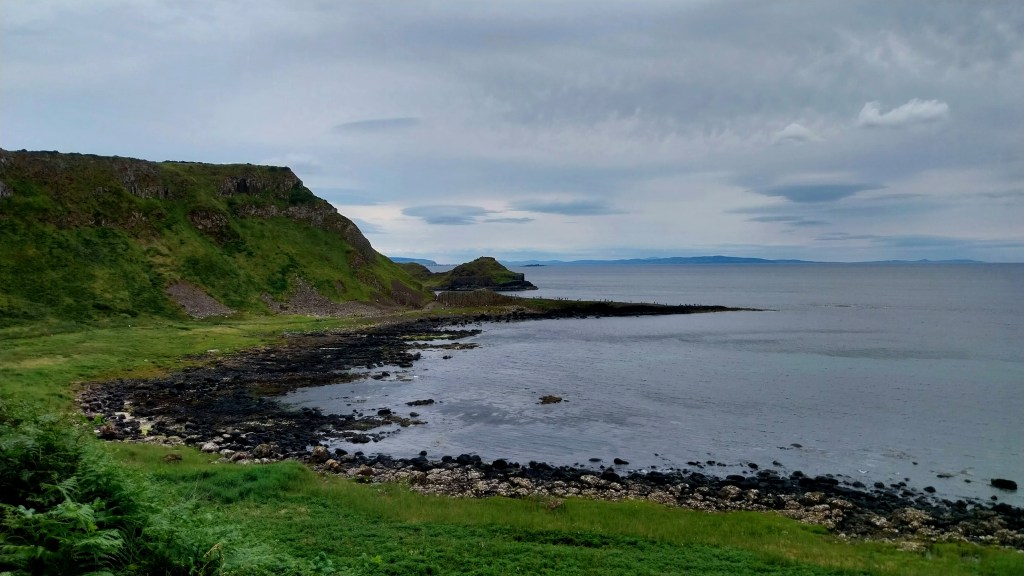
Designated a UNESCO World heritage Site in 1986, it is now a popular destination for visitors from all over the world. The basalt columns make natural stepping stones, and it is fun clambering over them to reach as close as you dare to those breaking waves rolling in from the Atlantic.

The views out to the Ocean, and east and west along the Antrim coast are spectacular.

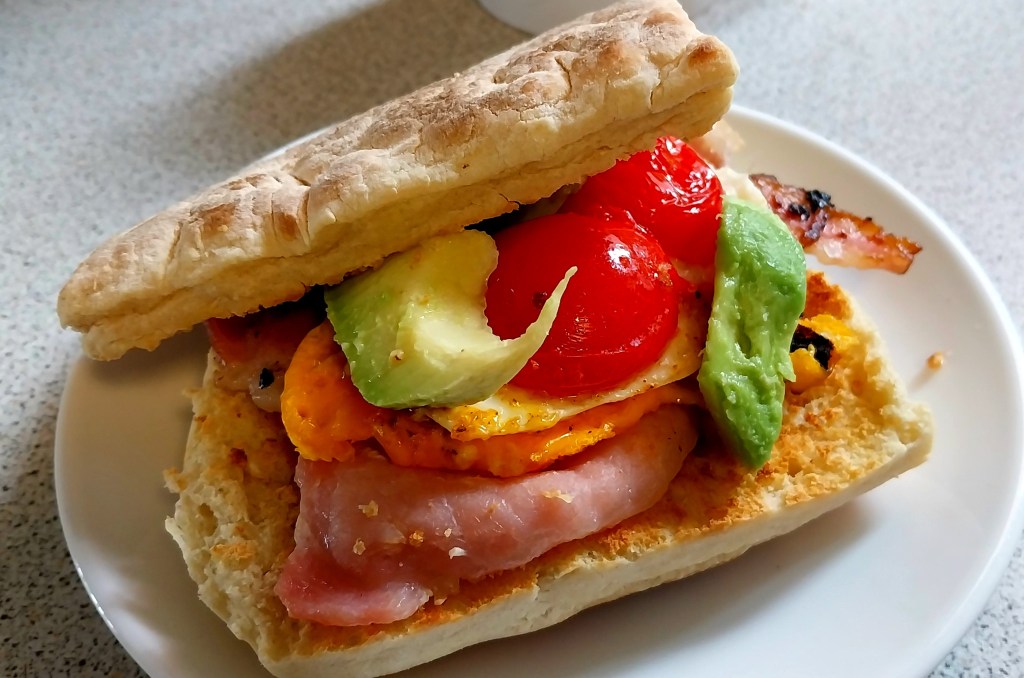
All that fresh air and activity had given us a Giant-sized appetite, so back at our guest house I rustled up this snack, that I have no doubt even Finn McCool would appreciate. It is a Soda Farl, split in two, toasted and filled with rashers of bacon, fried egg, cherry tomatoes and slices of avocado. I made 6 of these – one for each of our party – and they were wolfed down. Luckily I was able to take this photo of one of them before it disappeared!

Another great Northern Irish track to add to the ADK Playlist – this time we travel along the North Down coast to Bangor, home of Snow Patrol’s Gary Lightbody. Here they are with You’re All I Have.

Categories
Mains Recipes

Pearl Barley Risotto

Risotto is a classic Italian dish made with arborio rice – the Italian word for rice is riso and there is a rather large clue in the title of the dish that rice is, er, supposed to be the key ingredient.

However, in this dish I’ve decided to swap in pearl barley instead of the rice. Pearl barley is a nutritious grain making this a healthy, lower carb alternative to the Italian classic. Like a risotto, it is still cooked by simmering it with veg in a broth of chicken or veg stock.

Servings

2 adult portions.

Timings

20 mins to pre-cook the pearl barley, then a further 20 mins.

You Will Need:

  • 70g pearl barley
  • enough boiling water to cover the pearl barley
  • half a red onion
  • 6 – 7 mushrooms
  • half a sweet potato
  • 2 celery sticks
  • half a sweet pepper
  • about 500ml chicken or veg stock
  • a handful of mixed nuts
  • about 30g cheddar, grated
  • a handful of fresh coriander leaves
  • 1 chopped scallion
  • a spoonful of miso (optional)

Method

  1. Place the pearl barley in a saucepan and cover it with boiling water. Bring back to the boil, then simmer for 20 mins.
  2. In the meantme, chop all the veg and place in a wok with some oil, over a reasonable heat. Stir fry all the veg until it is softened and nicely charred.
  3. Drain the pearl barley in a sieve, and tip in to the wok. Stir in alongside the veg, then add the stock and bring to the boil. Reduce to a simmer and let the stock reduce for about 20 mins, while the pearl barley continues to cook and soften.
  4. When there is little liquid left, and the pearl barley has softened, add in the nuts, cheese, coriander and scallion. Add in the miso if you wish.
  5. Let the additional flavours soak in for a few minutes, then serve.

Customise it!

Lots of scope to swap in other veg here – mangetout, peas, broad beans and shredded greens all go brilliantly. Grated blue cheese will also be excellent. Use your imagination!

A risotto that doesn’t contain any rice? It’s crazy, man! Which gives me an idea for the next track to add to the ADK Playlist: here’s The Prodigy with Crazy Man.